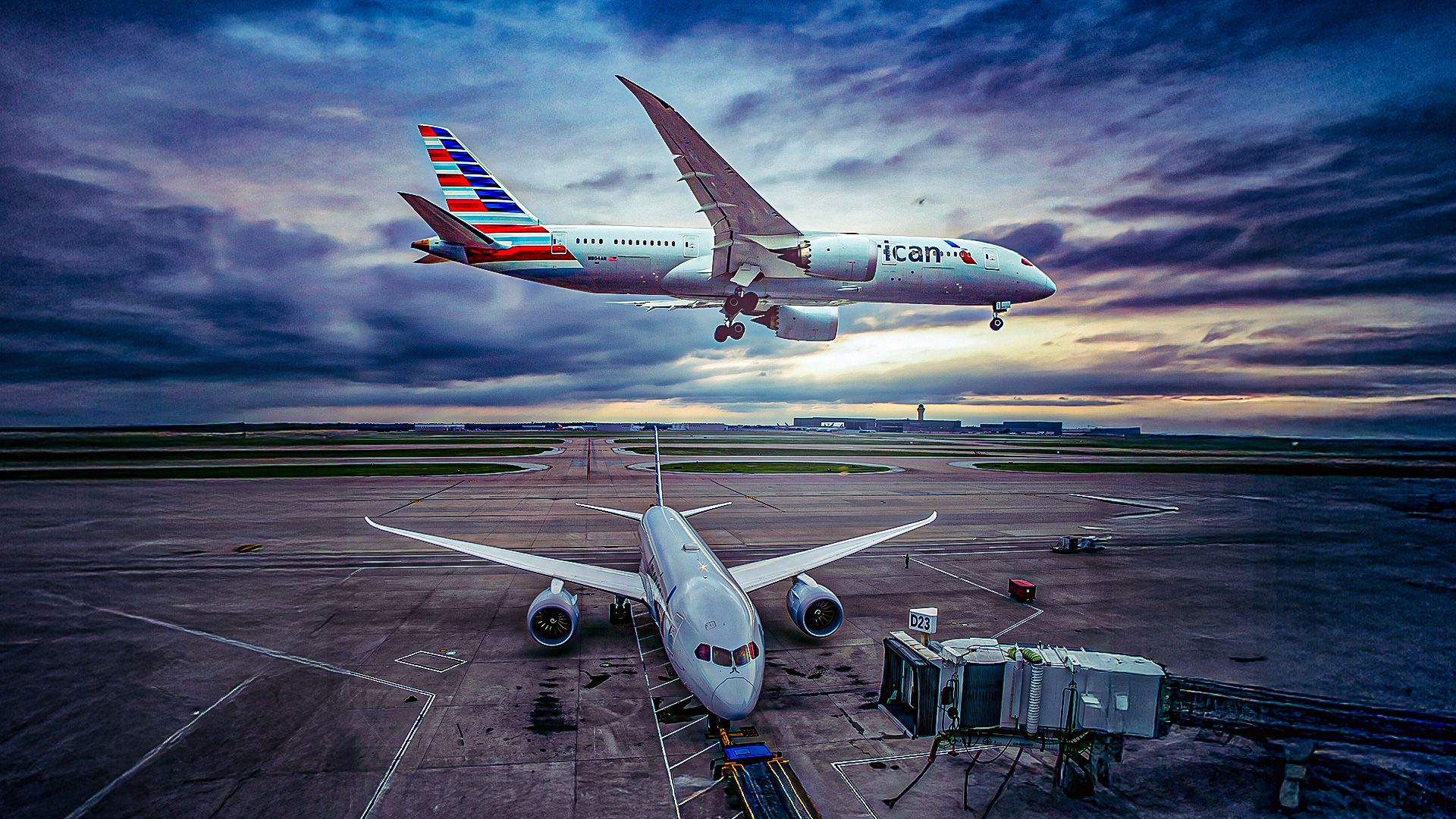
The Boeing 787-8, the smallest member of the Dreamliner family, is increasingly being deployed on long-haul routes that often seem better suited for larger aircraft like the Boeing 777. A recent analysis of the longest nonstop flights operated by the 787-8 from the United States, utilizing maximum block time data, highlights the aircraft’s versatility in connecting global destinations. This information comes from Cirium Aviation Analytics, a respected aviation data firm.
Maximum block time reflects the total time from gate to gate, considering factors such as taxi time, seasonal winds, air traffic control programs, and potential rerouting. This metric provides a more realistic understanding of flight durations than simple great-circle distances. The analysis focuses on particularly busy operational days, showcasing the aircraft’s capability to handle demanding schedules.
Longest Nonstop Flights from the USA
The following list outlines the ten longest nonstop routes operated by the Boeing 787-8 from the United States, highlighting various airlines and their destinations:
1. **Kenya Airways**: New York-JFK (JFK) to Nairobi (NBO) – **15:00**
2. **All Nippon Airways (ANA)**: Washington-Dulles (IAD) to Tokyo-Haneda (HND) – **14:20**
3. **Ethiopian Airlines**: Atlanta (ATL) to Addis Ababa (ADD) – **14:15**
4. **United Airlines**: San Francisco (SFO) to Christchurch (CHC) – **14:10**
5. **Zipair Tokyo**: Houston (IAH) to Tokyo-Narita (NRT) – **14:00**
6. **El Al**: Tel Aviv (TLV) to Miami (MIA) – **13:50**
7. **El Al**: Tel Aviv (TLV) to Fort Lauderdale (FLL) – **13:50**
8. **Ethiopian Airlines**: Chicago-O’Hare (ORD) to Addis Ababa (ADD) – **13:45**
9. **American Airlines**: Athens (ATH) to Dallas/Fort Worth (DFW) – **13:25**
10. **Royal Jordanian**: Amman (AMM) to Chicago-O’Hare (ORD) – **13:15**
These routes illustrate a broad spectrum of services provided by international carriers, catering to both leisure and business passengers. The demand for specific long-haul routes, such as those to Nairobi and Addis Ababa, emphasizes the 787-8’s role in enhancing global connectivity.
Significance of Long-Haul Routes
The list highlights how the 787-8 serves unique markets, particularly in regions like Africa, Asia, and the Middle East. The aircraft’s design allows it to handle long and thin routes effectively, which aligns with its intended purpose. For instance, Nairobi and Addis Ababa emerge as key hubs, demonstrating how the smallest Dreamliner model can anchor significant international connections.
The Asia-Pacific region also features prominently with routes such as Washington-Dulles to Tokyo-Haneda and Houston to Tokyo-Narita. These transpacific flights often experience longer block times due to varying weather conditions. The San Francisco to Christchurch route further illustrates that long-haul travel is not confined to east-west corridors, showcasing the aircraft’s adaptability across various global markets.
The ability of airlines to use the 787-8 on these lengthy routes is driven by the aircraft’s efficiency, making it feasible to operate flights that last over **13 hours**. By targeting specific needs, airlines can maintain competitive pricing without sacrificing load factors. This strategic deployment allows them to cater to premium travelers and high-value cargo markets without reducing fares significantly.
Airlines benefit from the operational flexibility provided by the 787-8. It can be easily adjusted for varying route demands, allowing carriers to optimize their networks efficiently. This capability to switch between longer and shorter segments enhances overall utilization and profitability.
In summary, the Boeing 787-8 continues to play a vital role in the landscape of long-haul aviation, effectively meeting the needs of diverse markets while connecting various regions across the globe.