




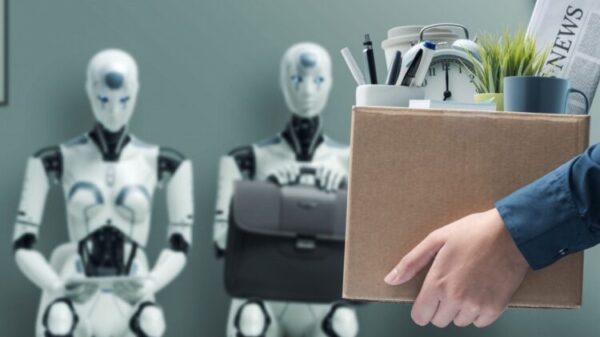
































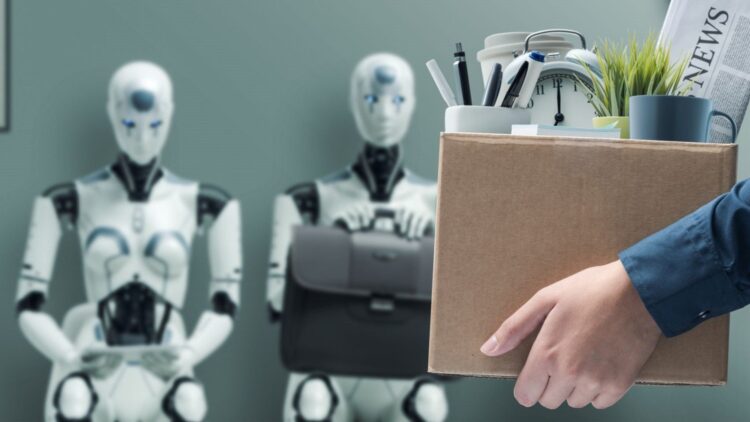
The rise of artificial intelligence (AI) in the workplace poses significant changes to the employment landscape. While many roles face the risk of automation, a recent analysis by OpenAI and labor experts identifies jobs that are likely to remain safe from AI replacement for the foreseeable future. This insight shifts the conversation about the future of work and highlights the unique human skills that AI cannot replicate.
Understanding AI’s Role in the Workforce
AI’s rapid integration into various industries has raised concerns about job security. Roles in technology, design, and writing are already experiencing disruption as AI systems take over routine tasks. However, experts argue that certain professions are less vulnerable to this transformative wave. According to insights from technology and human resources professionals, the key to preserving job security lies in cognitive, social, and emotional skills unique to humans.
ChatGPT, a prominent AI language model, was consulted to determine which professions are less likely to be replaced by automation. The responses underscored the importance of skills such as emotional intelligence and active listening—traits that AI cannot fully mimic. According to the World Economic Forum, emotional intelligence is crucial for managing behaviors and complex relationships, which ultimately leads to better outcomes in the workplace.
Professions Resilient Against AI Replacement
Certain creative and artistic roles are expected to remain safe from AI takeover. While generative AI can produce images, text, and audio, it lacks the capability to lead artistic projects. As noted by Forbes, the mindset shifts and choices essential in the artistic process are inherently human, making roles such as artists, writers, and designers resilient against automation.
Additionally, specialized trades and hands-on jobs are also secure from AI interference. These professions often involve complex physical tasks that require real-time problem-solving and practical skills that AI cannot perform. Fields such as construction, plumbing, and electrical work demand a human touch that remains irreplaceable.
Leadership roles, strategic decision-making, and management functions are other areas where AI serves as a complement rather than a replacement. While AI can assist with data analysis and routine tasks, the ethical reasoning and creativity necessary for effective leadership remain distinctly human responsibilities. Psychology Today emphasizes that although automation may handle routine tasks, strategic thinking will continue to require human insight.
Jobs that necessitate a strong sense of ethics, community engagement, and empathy are also resistant to AI replacement. Professions such as social work, healthcare, and community organizing require a level of human connection that AI cannot replicate. These positions rely on understanding social nuances and ethical considerations, which remain essential in fostering human relationships.
Although roles in digital marketing, cybersecurity, and data analysis are perceived as vulnerable to AI advancements, ChatGPT suggests that these jobs will evolve rather than disappear. Mike Bechtel, Director of Futurology at Deloitte, emphasizes the importance of viewing AI as a transformative tool rather than a competitor for jobs. He states, “It’s not about robots looking for work, but about tools that transform the world faster and better.”
As AI continues to evolve, the conversation surrounding its impact on employment will remain critical. By understanding which professions are less susceptible to automation, workers can focus on developing the skills that will ensure their relevance in an increasingly AI-driven economy.