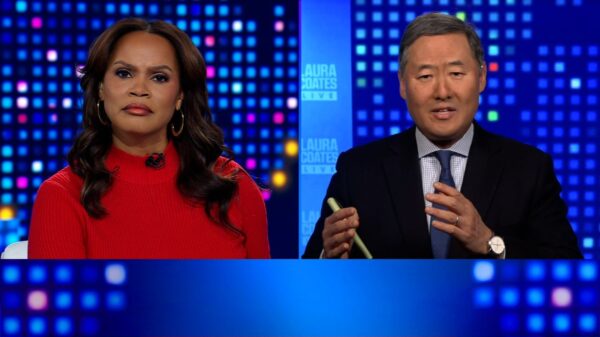

































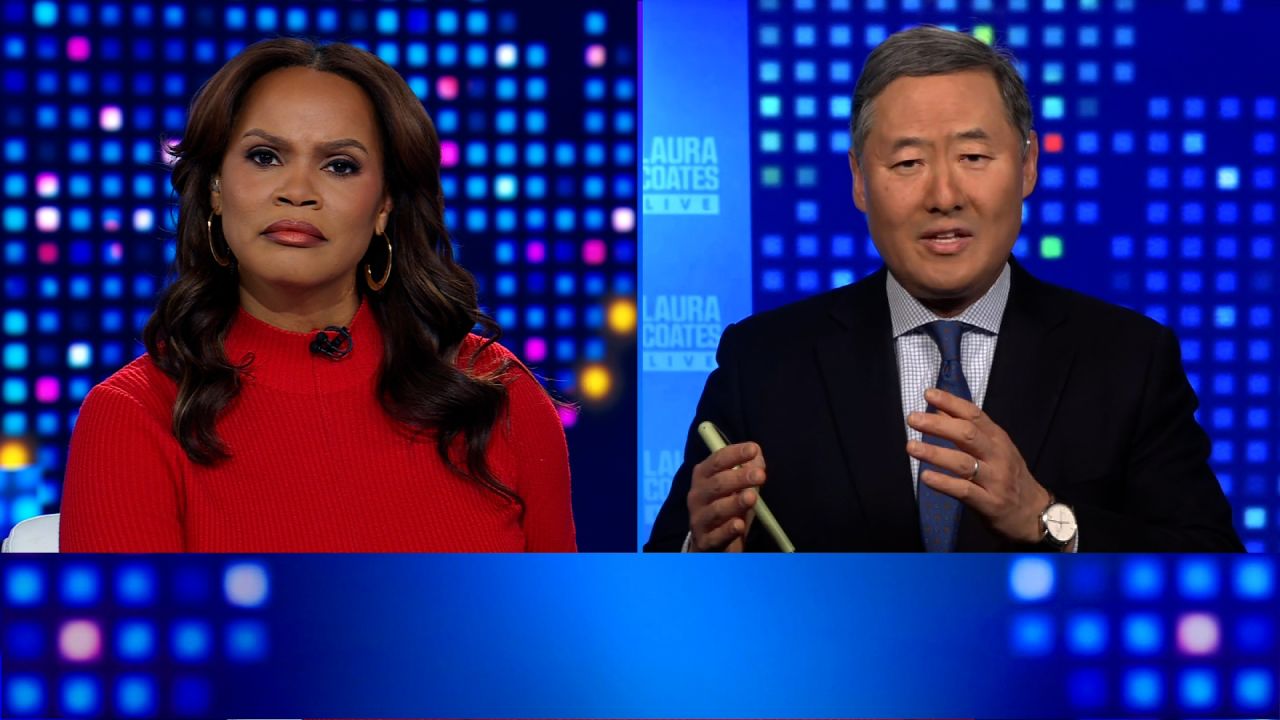
UPDATE: Former Deputy Assistant Attorney General John Yoo has raised serious legal concerns following the White House’s confirmation of a second U.S. military strike on an alleged drug boat. This development is drawing immediate scrutiny regarding its compliance with both U.S. laws and international laws of armed conflict.
In a statement issued today, Yoo stated, “If it’s true that the U.S. military struck people who were shipwrecked, it would have violated the U.S. laws of war and the international laws of armed conflict.” This urgent allegation comes as the U.S. government continues its efforts to combat drug trafficking in the region.
The strikes occurred in the waters off the coast of Central America, targeting vessels suspected of transporting illegal drugs. While the U.S. military maintains that the operation was necessary to disrupt drug-related activities, the implications of Yoo’s comments could have significant ramifications for U.S. military operations abroad.
This situation is developing rapidly, and the potential legal fallout could impact not only current military strategies but also the broader discourse on how the U.S. engages in armed conflict. The international community is watching closely, as violations of war laws can lead to serious diplomatic repercussions.
What’s Next: As more details emerge regarding the specifics of the strikes and the legal framework governing them, observers will be paying close attention to any official responses from the White House and military leaders. This incident may further ignite discussions about the rules of engagement in modern warfare.
Stay tuned for more updates as this story unfolds. The urgency of this matter cannot be overstated, as it touches on fundamental principles of law and military conduct that affect not just the U.S., but global stability.