












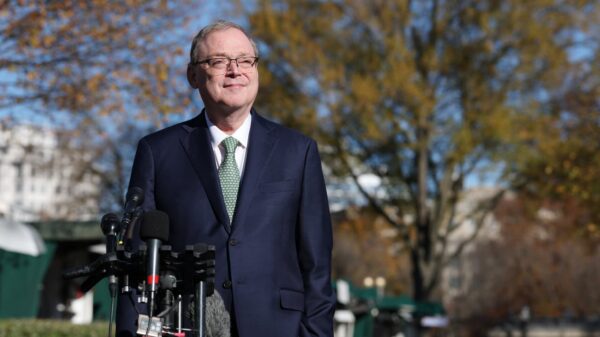

























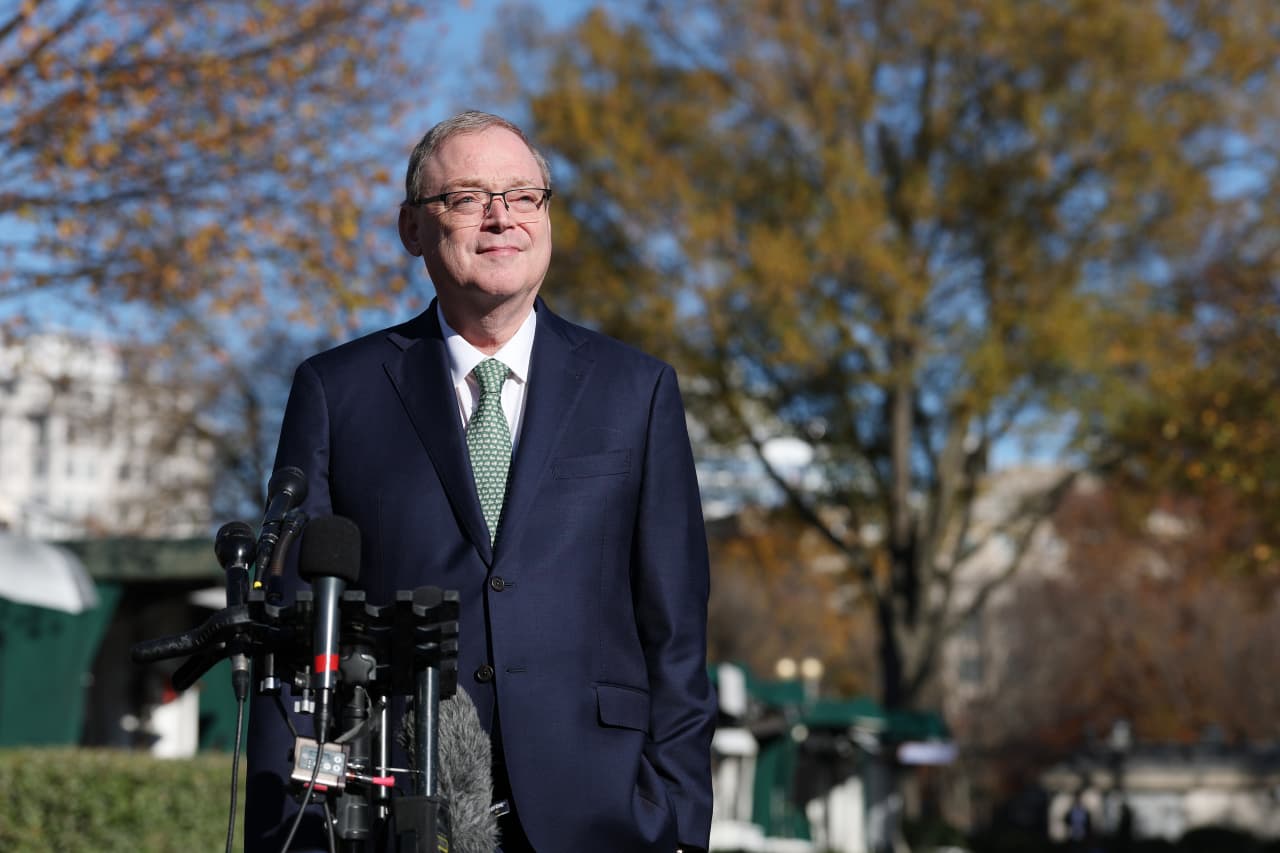
Kevin Hassett, the director of the National Economic Council, is emerging as a prominent candidate to succeed Jerome Powell as the chair of the Federal Reserve. This development comes as prediction markets indicate a growing confidence in Hassett’s potential to lead the central bank in 2024.
The Federal Reserve plays a crucial role in managing the United States’ monetary policy, influencing interest rates, and regulating economic stability. Under Powell’s leadership, the Fed has navigated significant challenges, including inflation spikes and economic recovery post-pandemic. As discussions around his successor intensify, the implications of this leadership transition are becoming increasingly apparent.
Market Reactions to Hassett’s Potential Candidacy
If confirmed as Fed chair, Hassett’s tenure could substantially alter the current landscape for bond investments. Financial analysts suggest that his policies may introduce higher risks to bonds, which are traditionally seen as safer investments. Given that rising interest rates generally lead to lower bond prices, the market is closely monitoring how a shift in leadership might affect these dynamics.
Hassett’s background as an economist and his previous experience in the White House positions him well for this role. His understanding of economic policy could lead to significant changes in how the Federal Reserve approaches inflation and interest rates. Investors are particularly interested in how his potential strategies may impact long-term bond yields and overall market volatility.
Implications for Investors
The prospect of Hassett as Fed chair raises questions about the future of fixed-income securities. Should he implement policies that favor aggressive interest rate hikes, investors could see a marked increase in the risks associated with bonds. This shift could prompt a reevaluation of investment strategies, especially among those who prioritize stability.
As the Federal Reserve grapples with persistent inflation, which reached 8.5% in March 2022, the pressure to respond decisively is mounting. Financial markets are reacting to these uncertainties, and Hassett’s appointment could be a catalyst for further changes. Analysts warn that a more risk-oriented approach under Hassett could significantly alter the investment landscape.
Stakeholders and market watchers are now awaiting official announcements regarding Powell’s potential departure and Hassett’s candidacy. Should Hassett take the helm, it would signal a new chapter for the Federal Reserve, with far-reaching effects on economic policy and investor confidence. As discussions continue, the focus remains on how these developments will shape the financial future of the United States and beyond.