

























UPDATE: The Major League Baseball Players Association (MLBPA) is convening in Scottsdale, Arizona, as they brace for potentially contentious labor negotiations slated for December 1, 2026. The urgency is palpable as the union prepares to tackle significant issues impacting the future of the game.
Just weeks after the Los Angeles Dodgers clinched the World Series title against the Toronto Blue Jays, the MLBPA’s executive committee gathered to address the pressing need for reform. Amid growing attendance and record international interest, highlighted by stars like Shohei Ohtani and Yoshinobu Yamamoto, the disparity in team payrolls has emerged as a critical concern.
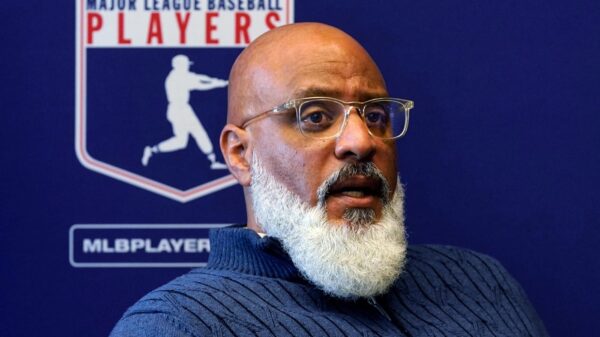
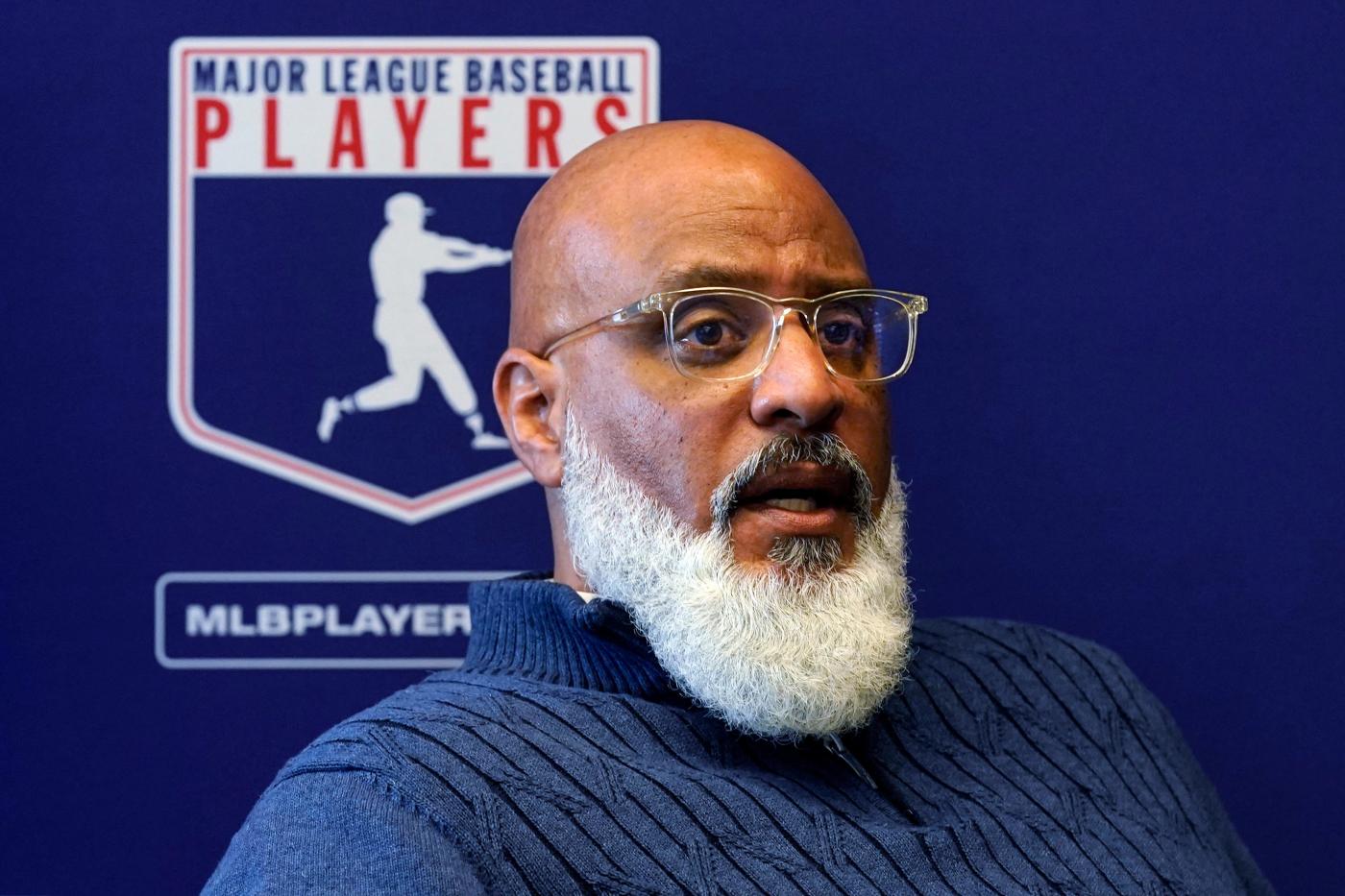
Union head Tony Clark emphasized the importance of these discussions, stating, “As an organization, you start preparing for the next round of bargaining as soon as the ink is dry on the previous one.” Clark confirmed that formal negotiations are anticipated to commence in the spring, echoing the routine established in previous bargaining cycles.
The financial landscape of MLB is starkly divided. The Dodgers have invested approximately $890 million over the past two years, while teams like the Oakland Athletics have spent under $150 million. The MLBPA is adamant about pushing for reforms that would encourage all 30 teams to engage competitively in the free-agent market.
Clark highlighted the implications of having teams with the means to compete, yet choosing not to, stating, “Knowing that there are teams who have the wherewithal to compete, that choose not to, affects the industry.” The absence of a salary cap in MLB makes this disparity all the more pronounced, raising fears of renewed demands from owners that could echo the painful 1994-95 strike, which resulted in the first World Series cancellation in 90 years.
Additionally, the MLBPA is advocating for enhanced compensation structures for younger players. Currently, players are eligible for salary arbitration after three years, with free agency kicking in after six. While the minimum salary increased to $700,000 in 2022 and is set to rise to $780,000 next year, the union seeks to further align player pay with on-field performance.
The eight-member executive subcommittee, which includes 2025 Cy Young Award winners Paul Skenes and Tarik Skubal, is working diligently on these issues alongside 30 player representatives from each team. Clark stated, “We have an outstanding group of player leaders. We are better and stronger as an organization when players engage one another and are educated on the issues.”
With less than a year until the current collective bargaining agreement expires, the MLBPA’s focus is on creating a more equitable system that promotes competitive balance across the league. Fans and players alike are watching closely as these urgent discussions unfold, knowing the potential implications for the future of baseball.
The MLBPA will continue to assess the landscape, aiming to negotiate terms that not only address the current disparities but also set a sustainable path for the league moving forward. As developments unfold, all eyes will be on how the negotiations shape the future of America’s pastime.