



































URGENT UPDATE: A tech enthusiast reveals critical mistakes made while building a home lab that could save beginners from costly errors. With the growing trend of home labs, these four blunders highlight essential practices for successful server management.
New reports confirm that many home lab builders, like the author, face significant challenges while experimenting with servers. The author’s initial journey was marred by beginner mistakes, which serve as important lessons for anyone looking to establish a reliable home server environment.
What went wrong? The first mistake involved attempting to use custom domain names without local DNS overrides. Initially familiar with domain configurations from a university project, the author struggled to set up custom domains for home lab services. The fix? Creating local DNS records and utilizing Nginx Proxy Manager to route traffic effectively.
Another blunder was overcommitting storage and memory resources to virtual machines (VMs). The author, excited by a powerful dual Xeon workstation, allocated excessive storage, ultimately exceeding the capacity of drive pools. This led to errors during upgrades. Simplifying by deleting unnecessary VMs and switching to lightweight Linux containers (LXC) resolved the issue, emphasizing the importance of mindful resource allocation.
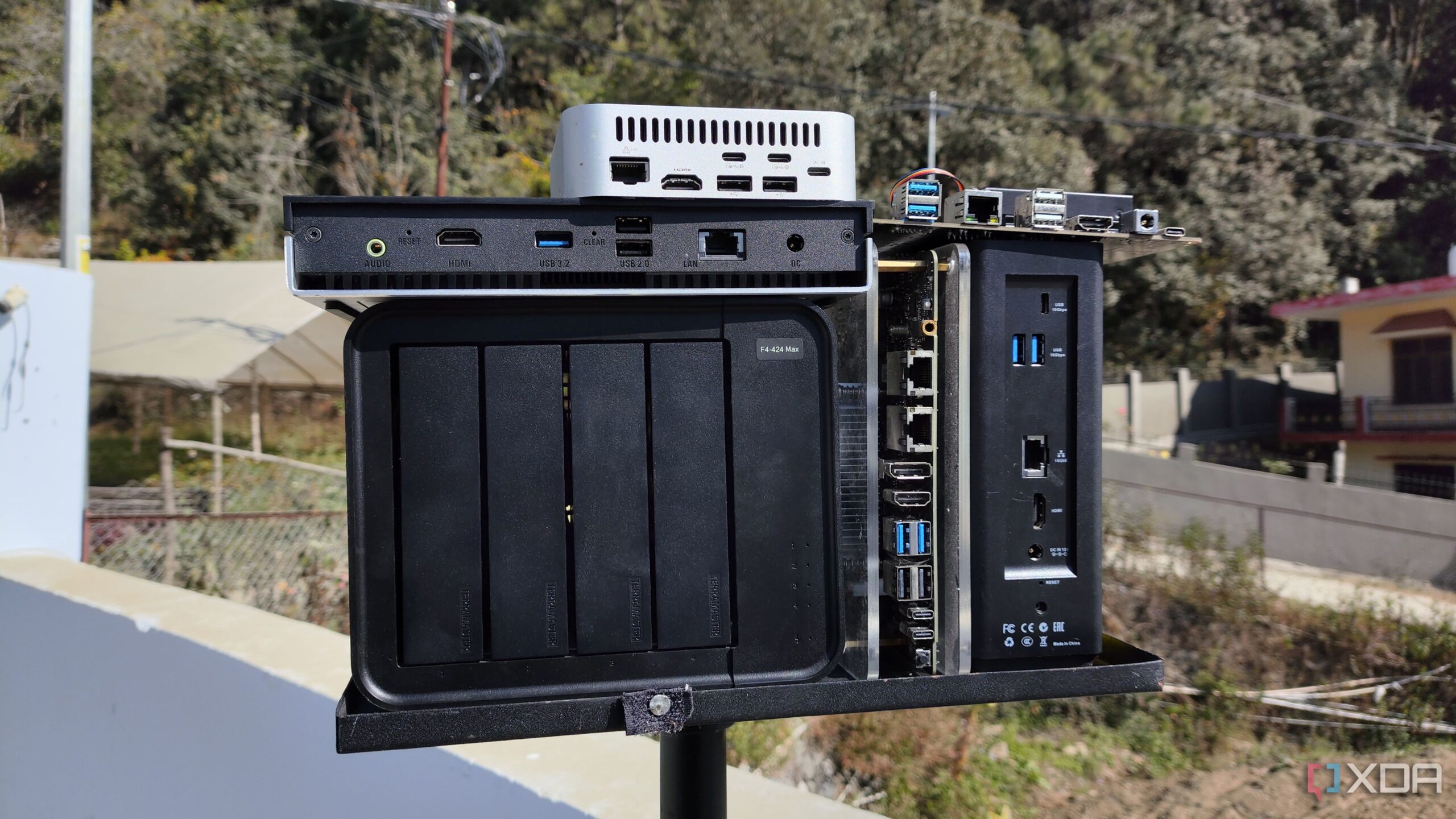
In a shocking revelation, the author admitted to relying solely on a single NAS for backups. Despite knowing about the 3-2-1 backup strategy, the author faced a near disaster when a RAID 5 NAS drive failed. Thankfully, a successful recovery was possible. This experience prompted the integration of a second NAS at a family member’s home, utilizing Rsync tasks to enhance data redundancy and security.
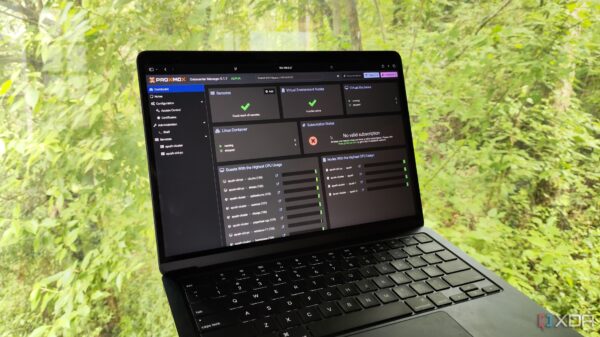
Finally, the author cautioned against attempting to virtualize everything on a single node. While hosting essential services like firewalls and DNS servers in Proxmox VMs seemed convenient, it posed significant risks. The author now advocates for isolating critical services on bare-metal devices to prevent total system failures during experiments. Essential tools, including monitoring services and storage solutions, are now run on separate, dedicated devices.
These revelations are not just technical anecdotes—they’re vital lessons for anyone embarking on their home lab journey. The author emphasizes the need for proper setups, local DNS management, and most importantly, redundancy in server environments.
As home lab projects continue to gain popularity, these insights are crucial for ensuring data security and operational efficiency. For those diving into the world of home servers, avoiding these common pitfalls can lead to a more successful and less stressful experience.
What’s next? Tech enthusiasts and beginners alike should take note of these lessons to enhance their home server setups. The community continues to grow, and sharing experiences will be key to fostering a safer and more efficient home lab environment.
Stay tuned for more updates on home lab best practices and emerging technologies to keep your server experiences smooth and secure.