






























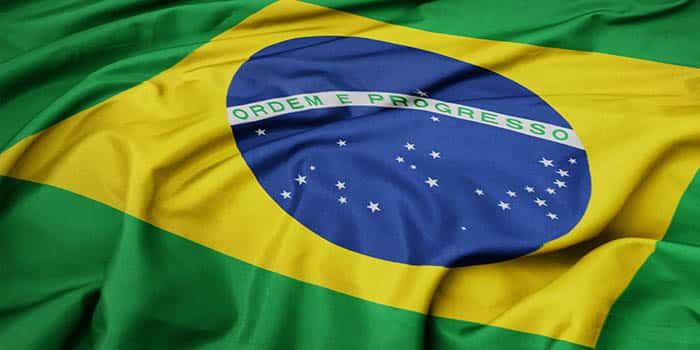
URGENT UPDATE: Brazil’s lawmakers are contemplating a significant tax hike on the gaming sector, which could threaten the viability of legal betting in the country. Just announced, the Brazilian Institute of Responsible Gaming (IBJR) warns that increasing the Gross Gaming Revenue (GGR) tax from 12% to 24% could deliver a crippling blow to an already fragile market.
Currently, operators must pay an initial license fee of BRL 30 million ($5.6 million) and a 12% GGR tax, alongside various other fees. The IBJR highlights that operators are already facing a tax burden amounting to nearly 25% of their revenue. A potential increase to 24% would raise this burden by approximately 45.4%, significantly impacting their operations.
The IBJR states that such a drastic tax hike could drive many operators out of the regulated market, pushing them back into the black market. As of now, 51% of online betting activities in Brazil are still conducted with unlicensed companies. This translates to an alarming BRL 38 billion ($7 billion) wagered annually with these illegal entities, costing the government around BRL 10.8 billion ($2 billion) in lost public revenue each year.
The IBJR firmly opposes the proposed tax measure, asserting that it would ultimately benefit the black market, further endangering Brazilian citizens. “Even a 5% decrease in legal gaming could result in an additional billion Brazilian reals flowing into unlicensed operations,” the institute warns.
Experts within the IBJR emphasize that increasing the tax burden will lead to diminished bonuses and player incentives, making legal operators less competitive. This could alienate many businesses, further exacerbating the issue of illegal gambling in Brazil.
Instead of imposing higher taxes, the IBJR advocates for initiatives that would enhance the appeal of legal gaming, ultimately reducing the reliance on unlicensed operators. The call for action is clear: lawmakers must prioritize the health of the legal market to safeguard public interests and revenue.
As discussions continue, stakeholders in the gaming industry and consumers alike should remain vigilant. The outcome of these deliberations could reshape the landscape of Brazil’s gaming sector, with immediate effects on both operators and players.
Stay tuned for more updates on this developing story as the situation unfolds.