





















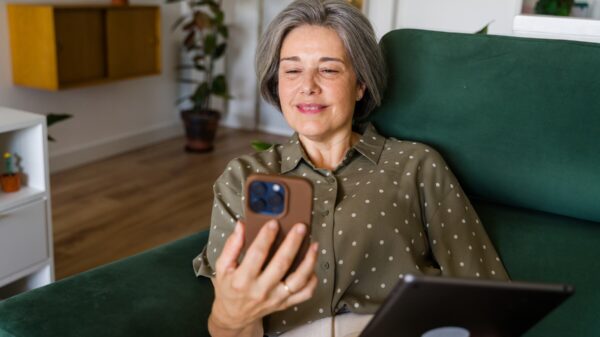













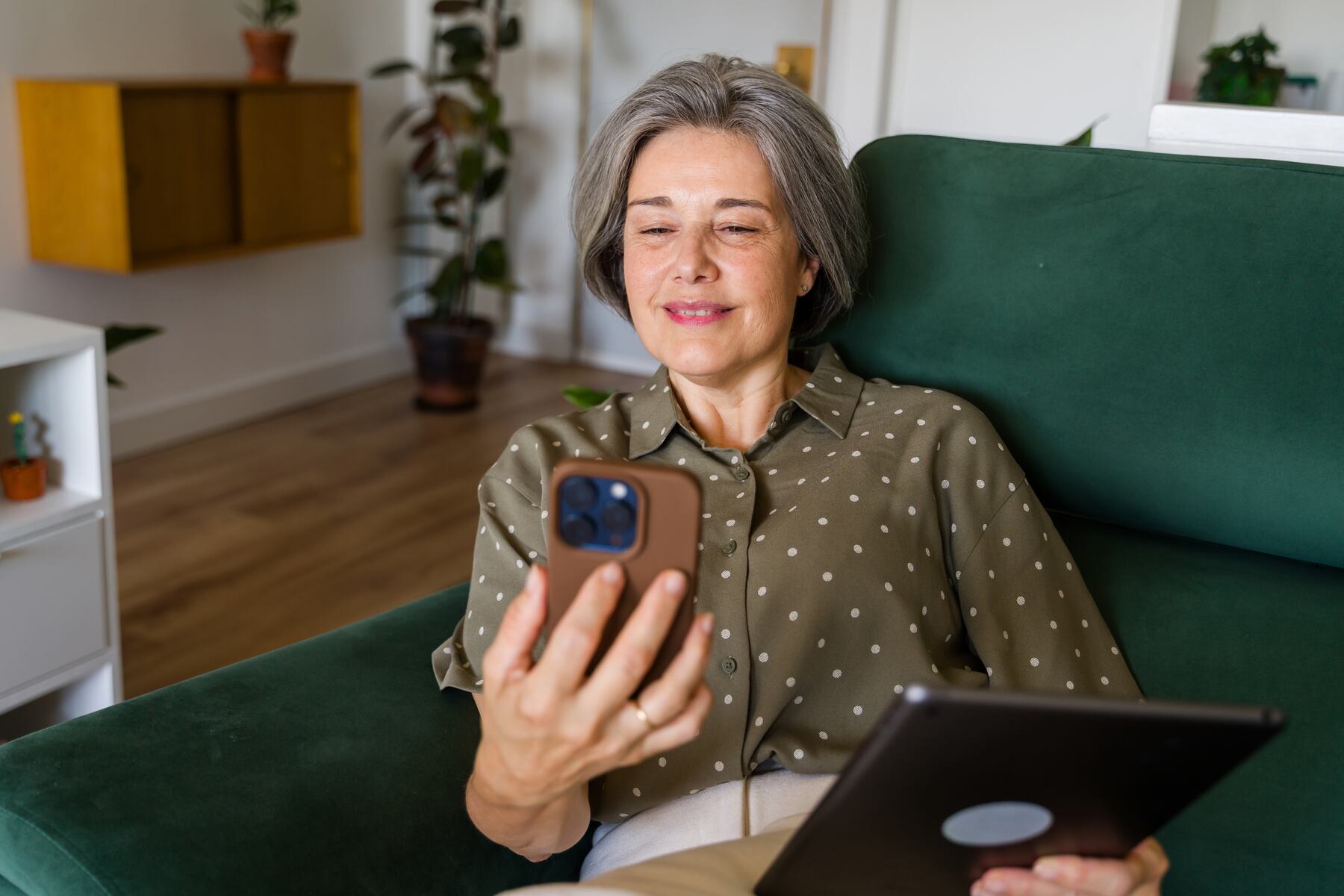
As social dynamics shift, online communities are emerging as vital support networks. A letter shared by a member of a Facebook group highlights how these platforms can provide meaningful connections, particularly for women over 50 who have experienced significant life changes. The writer, identifying as Friends Without Borders, emphasizes the positive impact of two private Facebook groups she established, drawing participants from various countries including the U.S., Norway, Slovenia, Mexico, France, Switzerland, Romania, Italy, and England.
Creating Meaningful Connections
The groups, started roughly a decade ago, cater to women who have reached a candid phase in life. One group focuses on non-political discussions, while the other dives into political topics. Members have leveraged these platforms to forge friendships that transcend geographical boundaries. Many participants, including those who identify as introverts or are homebound, found a sense of belonging and camaraderie during the pandemic.
According to the letter, members have not only engaged online but have also organized real-life meet-ups. In places like Winston-Salem, North Carolina, groups have come together for dinner, while others plan trips to Europe to connect with friends made online. The writer suggests that social media relationships can indeed be “real,” countering the common skepticism surrounding virtual connections.
The Importance of Careful Engagement
While praising the potential of online groups, the writer urges caution. She advises prospective members to choose their groups wisely, ensuring they engage in safe and supportive environments. This sentiment resonates with the response from Annie Lane, who acknowledges the importance of online connections in today’s digital age. Lane highlights the beauty of uniting individuals across different cultures and distances.
Indeed, as the prevalence of social media increases, the role of online communities becomes more significant. They provide essential social support, especially for those facing difficult transitions in life. Lane’s reminder about safety in online interactions reinforces the need for mindfulness as people navigate these virtual spaces.
In conclusion, while traditional friendships remain invaluable, the ability of Facebook groups to foster connections among women over 50 illustrates the evolving nature of social relationships. As these online platforms continue to grow, they offer unique opportunities for individuals to build friendships and support systems, proving that meaningful connections can thrive in both physical and digital realms.