
























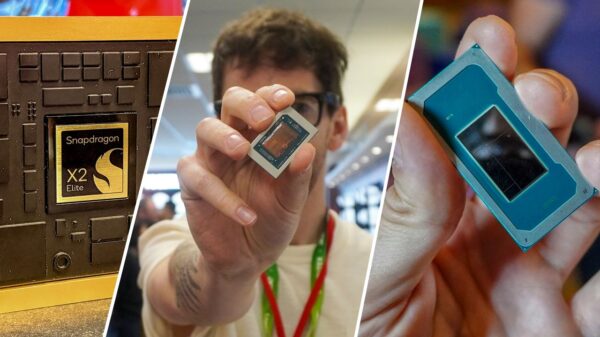















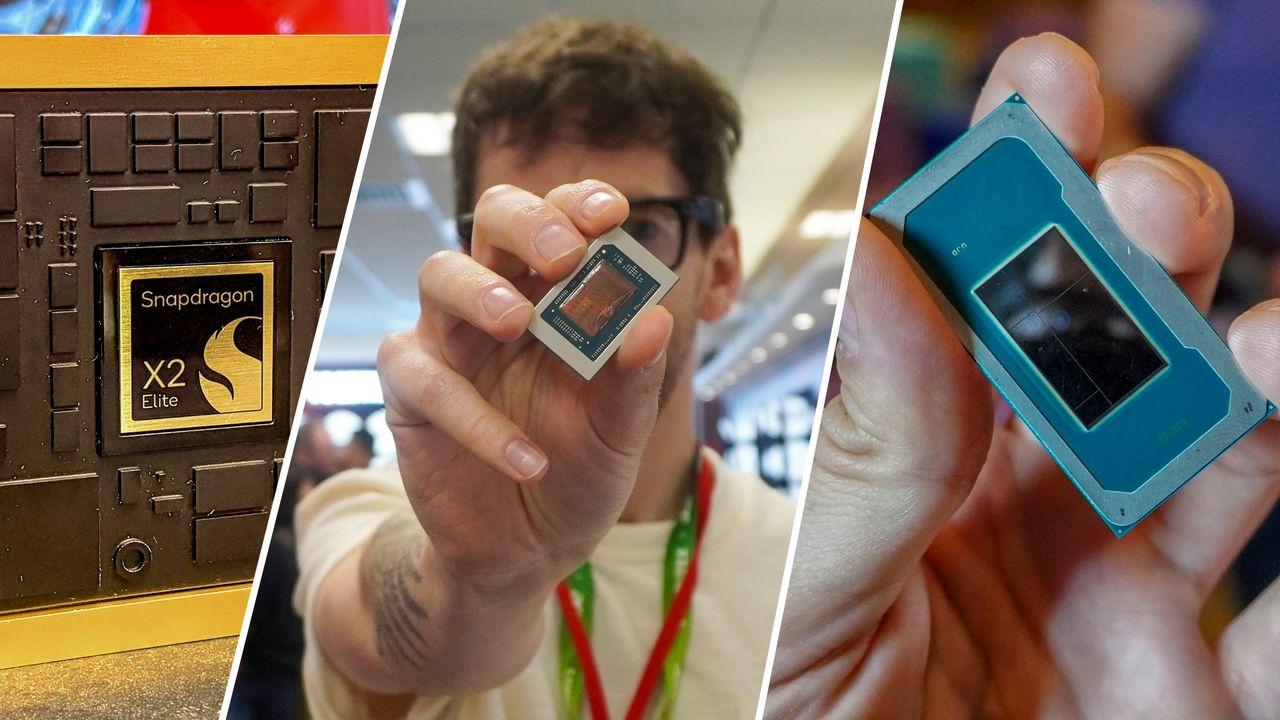
The competitive landscape of the CPU market is intensifying as 2026 approaches, with major players like Intel, Qualcomm, and AMD preparing to unveil their latest technologies. Each company is set to debut next-generation chips, including Intel’s Panther Lake, Qualcomm’s Snapdragon X2 Elite, and AMD’s Gorgon Point. The unveiling is expected to take place at CES 2026, marking a pivotal moment in the ongoing CPU war.
Key Players and Their Innovations
The upcoming battle features three major contenders: Intel, Qualcomm, and AMD. Each has significant announcements lined up that could reshape the industry landscape.
Intel’s Panther Lake chips, part of the Core Ultra 300 Series, are confirmed to be built on a new 18A platform. This technological foundation promises substantial improvements in performance and efficiency. Reports indicate that Panther Lake could deliver up to 50% faster CPU performance and a similar boost in GPU speed, while also enhancing AI performance by 1.2 times and achieving 40% better performance per watt.
Qualcomm’s Snapdragon X2 Elite and X2 Elite Extreme chips are also confirmed, featuring embedded memory for the first time. This innovation allows for shared memory between the CPU, GPU, and NPU, resulting in potential performance increases of 39% in single-core tasks, 50% in multi-core speeds, and an impressive 78% boost in AI performance.
AMD remains somewhat secretive, but leaks suggest that their upcoming Gorgon Point and Strix Halo lines are set to make waves. The Gorgon Point series, which is anticipated to include the Ryzen AI 400 series, is expected to offer 15-20% better performance than its predecessors, alongside new integrated graphics capabilities supporting RDNA 3.5.
Performance Comparisons and Market Impact
As these companies prepare to launch their latest chips, the stakes are high. Intel aims to recover from previous setbacks with its Arrow Lake desktop chip refresh, which reportedly addresses earlier issues related to power management and performance. This refreshed range promises higher clock speeds and improved RAM support.
AMD, meanwhile, is focusing on two key CPU lines: the Ryzen 7 9850X3D and the Ryzen 9 9950X3D2, designed for gaming enthusiasts. Additionally, their new Ryzen 9000G desktop APU aims to integrate enhanced graphics capabilities.
According to various benchmarks and leaks, Qualcomm’s Snapdragon X2 Elite currently holds the lead in CPU speeds. In contrast, Intel’s Panther Lake is noted for its graphics performance and power efficiency. AMD’s Gorgon Point could potentially shift the balance, especially with its emphasis on integrated graphics that rival dedicated GPUs.
The differences between x86 and Arm architectures play a crucial role in this competition. Intel and AMD utilize x86, which focuses on Complex Instruction Set Computing (CISC), ensuring broad compatibility with existing software. In contrast, Qualcomm’s Arm-based chips leverage Reduced Instruction Set Computing (RISC), allowing for superior CPU speeds and battery life, particularly in mobile contexts.
As the landscape evolves, Apple is also a significant player, with its M5 chip already demonstrating impressive performance. Rumors surrounding the M5 Pro and M5 Max suggest potential architectural shifts that could enhance their capabilities further.
In conclusion, as the CPU war heats up, all eyes will be on CES 2026, where these giants will showcase their innovations. The battle between Intel, Qualcomm, and AMD is not merely about chip performance; it embodies a broader contest of computing philosophies that will influence the industry for years to come.