A new project resurrects ancient technology with a modern twist as inventor Liebregts creates a water clock inspired by designs dating back to 250 BC. This innovative clock operates without any electronic components, presenting a stark contrast to contemporary timekeeping methods that rely on microcontrollers and WiFi. Instead of the precision offered by digital clocks, this design is more about the charm of human engineering and historical craftsmanship.
The water clock employs a floating siphon mechanism to ensure a consistent flow from the main reservoir. While it is unlikely to maintain perfect time, with a maximum deviation of more than a minute, the project showcases the ingenuity behind ancient engineering techniques. In a world where digital solutions dominate, Liebregts embraces the past, illustrating how these older methods can still inspire modern creations.
Innovative Mechanics in a Historical Framework
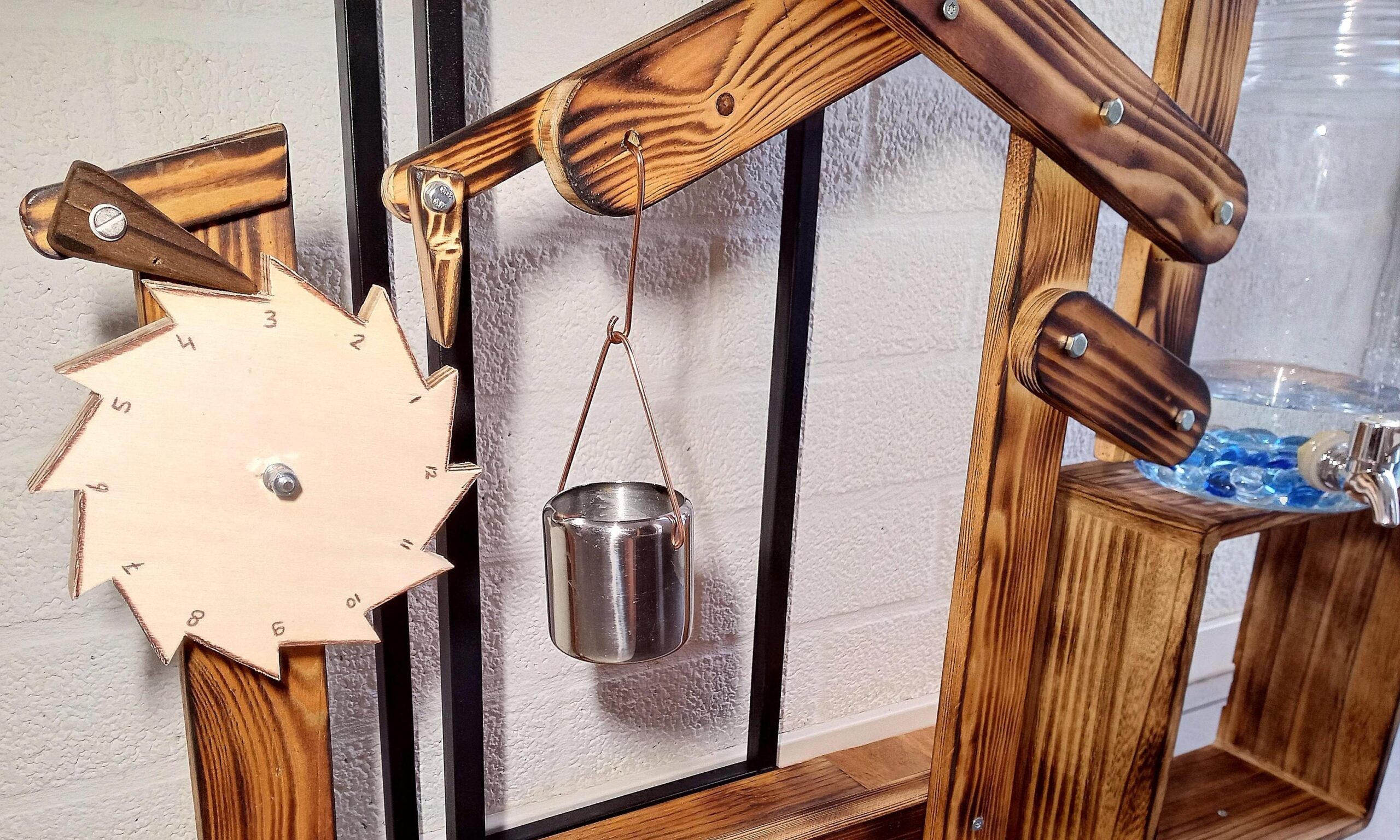
A notable feature of this water clock is its combination of ancient design elements with modern functionality. The floating siphon tube not only regulates water flow but also serves as a pointer to an hour indicator. For tracking minutes, Liebregts incorporates a mechanism reminiscent of the Pythagorean cup, which cleverly spills its contents if filled beyond a certain level. This secondary reservoir, linked to a counterweight that pivots, moves up and down over a cycle of approximately five minutes.
To add a contemporary touch, the movement of this reservoir drives a saw-toothed gear marked with numbers ranging from 5 to 12, resembling a standard analog clock face. This unique blend of ancient and modern techniques may confuse a time traveler from Greece or Rome, yet they would still recognize the overall concept of a clock.
Practical Use and Cultural Significance
The practicality of this water clock extends beyond mere novelty. Liebregts designed the reservoir to accommodate a four-hour workday, and it is refilled during lunch breaks. This aspect ensures that the clock remains functional and relevant to its creator’s daily routine. Friends of Liebregts can look forward to improved punctuality, making it less likely they will miss events—such as gladiator fights—if they were to be revived today.
While Constantine banned gladiatorial contests in 325 AD, the playful spirit of this project serves as a reminder of a time when such spectacles were commonplace. By merging historical methods with modern engineering principles, Liebregts not only creates a functional timekeeper but also pays homage to the rich history of timekeeping.
This project stands as a testament to the idea that innovation can emerge from revisiting and reinterpreting the past. As technology continues to evolve, it is essential to recognize and appreciate the foundational work that has shaped our current understanding of time. The water clock serves as a bridge, connecting ancient ingenuity with contemporary creativity, reminding us of the enduring value of human craftsmanship.