


































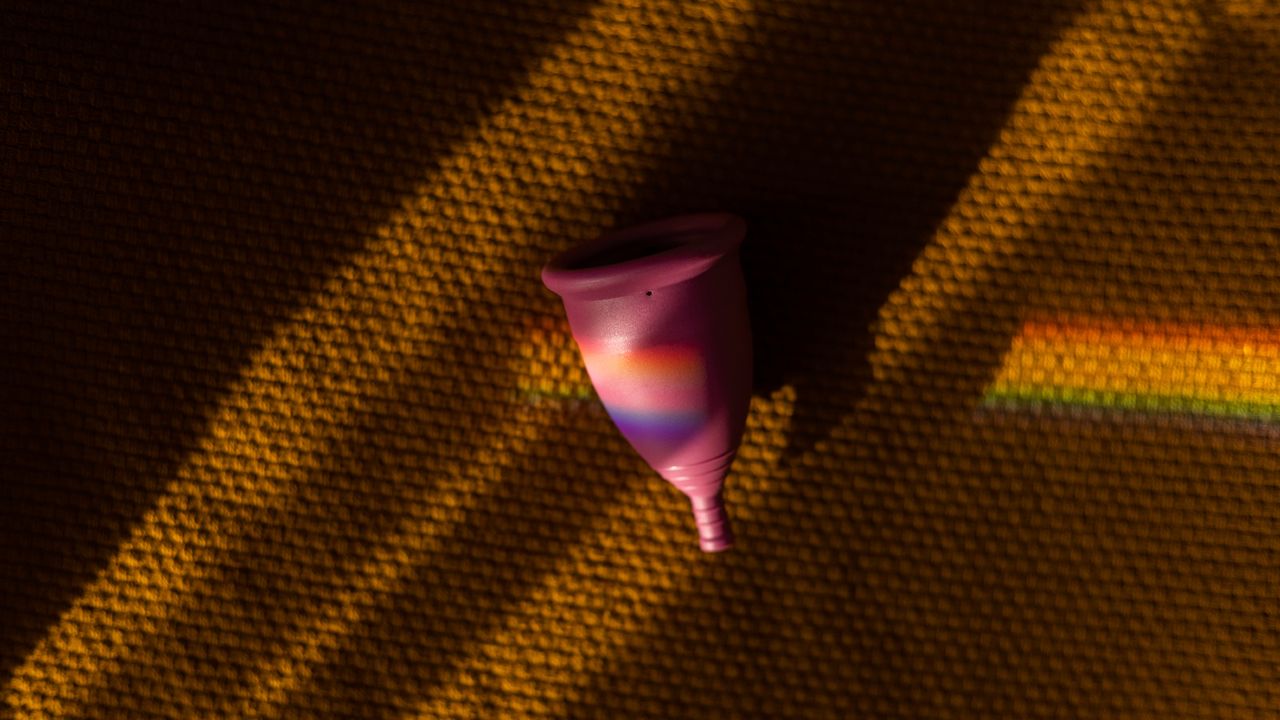
Researchers are exploring how menstrual products perform in space, a critical consideration for future long-duration missions. In a recent study, the AstroCup team tested two menstrual cups, manufactured by Lunette, during a brief uncrewed rocket flight in 2022. This mission reached an altitude of approximately 1.9 miles (3 kilometers) and lasted around nine minutes, subjecting the cups to various stresses typical of space travel.
The findings, published on December 2, 2023, in the journal NPJ Women’s Health, revealed that the menstrual cups maintained their structure and functionality despite the challenges of space conditions. Leak tests using glycerol and water confirmed that the cups showed no signs of damage, indicating their potential as a sustainable alternative to traditional single-use period products.
Menstrual cups are flexible, reusable containers designed to collect menstrual fluid. They have gained popularity due to their environmental benefits, as one cup can last for several years, reducing waste associated with tampons and pads. While many astronauts choose to suppress their menstrual cycles using hormonal methods during missions, the reality of space exploration necessitates solutions for those who prefer to manage their periods naturally.
The Need for Sustainable Solutions in Space
As space exploration expands, the need to address menstrual health becomes increasingly important. Current recycling systems on spacecraft are not equipped to handle menstrual blood, and reliance on disposable products generates unnecessary waste. The AstroCup team views menstrual cups as a promising solution, allowing for better management of menstruation without adding to the environmental burden.
Lead researcher Lígia Coelho, an astrobiologist at Cornell University’s Carl Sagan Institute, emphasized the significance of their findings: “Now we can start implementing and redefining health autonomy in space.” Coelho’s team aims to conduct further research on the effectiveness of menstrual cups in reduced gravity and during extended missions. They plan to introduce various menstrual products to the International Space Station for comparative analysis.
Managing Menstrual Health in Space
Temporarily halting menstruation through hormonal birth control is a common practice among astronauts, providing convenience by eliminating the need for period products. This method can also alleviate symptoms associated with hormonal fluctuations. However, not all individuals may find hormonal suppression suitable, as it may pose health risks, such as increased chances of blood clotting or side effects related to bone density.
The study authors acknowledged that while hormonal methods can help manage menstruation, they do not eliminate the challenges for all users. Furthermore, the implications of reproduction and pregnancy in space remain largely theoretical. Nonetheless, understanding how to effectively manage menstrual cycles is vital for the future of human habitation beyond Earth.
In conclusion, as space missions become more ambitious, addressing the unique needs of all astronauts, including menstrual health, is essential. The research conducted by AstroCup marks a significant step toward ensuring that women’s health and autonomy are prioritized in the exploration of new frontiers.