


































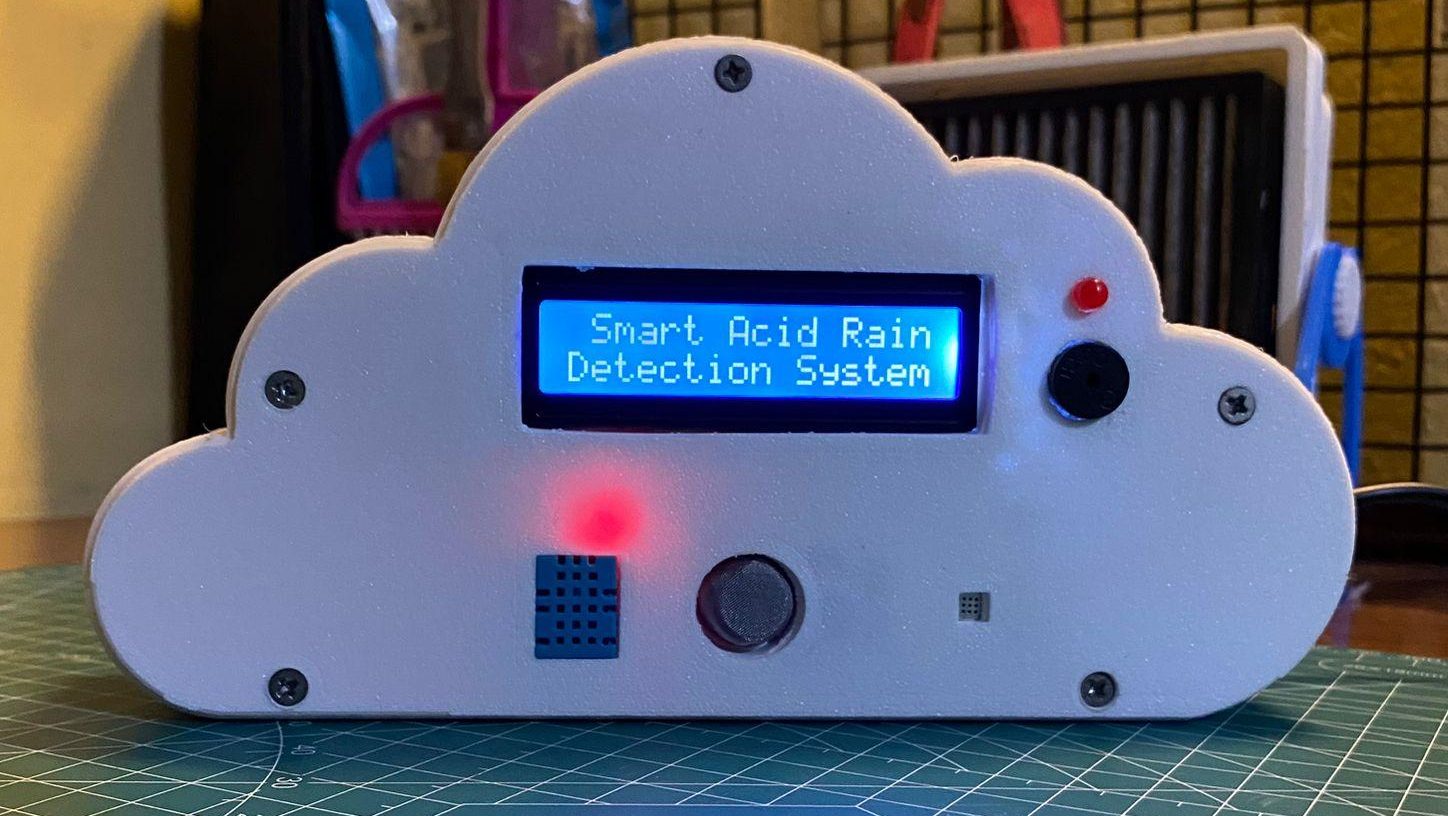
A new sensor device designed to forecast acid rain has been developed by Mohammad Nihal, aimed at protecting vulnerable ecosystems and structures. This innovative project utilizes an Arduino Nano platform to record environmental data that can indicate when acid rain is likely to occur.
Acid rain is formed when sulfur dioxide (SO2) and nitrogen dioxide (NO2) combine with moisture in the atmosphere, resulting in the production of harmful acids such as sulfuric and nitric acid. The resulting low-pH precipitation can severely damage ecosystems, corrode buildings, and harm statues, particularly in urban settings and near educational institutions with extensive outdoor artwork.
The device incorporates a MQ-136 gas sensor to monitor SO2 levels and an unidentified MEMS-based sensor for NO2 detection. Additionally, it features a DHT11 sensor to measure temperature and humidity, recognizing that moisture content is a critical factor in acid rain formation. The Arduino Nano processes the data collected from these sensors and employs a straightforward predictive algorithm to generate an “Acid Rain Risk Score.” This score is displayed on a 16×2 character LCD screen, enclosed in a visually appealing 3D-printed casing resembling a cloud.
While the concept is promising, the device does have limitations. It primarily functions indoors, which may affect its ability to accurately measure atmospheric SO2 and NO2 levels at the altitudes where rain is formed. Despite these challenges, the foundational idea presents significant potential for future enhancements and research.
The development of this sensor device not only highlights the innovative use of technology in environmental monitoring but also emphasizes the importance of predictive measures in safeguarding public and cultural assets from the detrimental effects of acid rain. Further improvements and field testing could enhance its accuracy and reliability, making it a valuable tool for universities and municipalities alike.