



























Calls are intensifying for the UK’s communications regulator, Ofcom, to address a loophole that allows certain channels to broadcast hate speech and extremist views without repercussions. Politicians and Jewish organizations have expressed urgent concerns regarding the unchecked transmission of antisemitic and pro-terror propaganda via platforms like YouTube.
These concerns focus particularly on channels such as LuaLua TV and Al-Hiwar, which, despite airing extreme content, continue to operate under their existing licenses. Ofcom has stated that it lacks the authority to intervene, as these channels stream online rather than through traditional broadcasting methods. Critics argue that this situation is both “nonsensical” and dangerous, allowing harmful messages to permeate British homes “with impunity.”
Political Response to Extremism
Shadow Culture Secretary Nigel Huddleston has urged the government to reconsider Ofcom’s powers or to amend the law to provide better oversight. He emphasized the seriousness of the issue, stating, “Platforming terrorism has no place in UK broadcasting.” Huddleston’s remarks followed the resurgence of troubling broadcasts, particularly in the wake of violent incidents, including the events of October 7, 2023, when LuaLua TV aired content that praised terrorist actions.
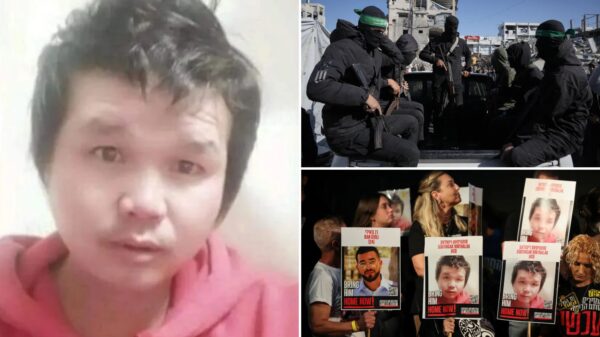
Based in London, LuaLua TV has faced international scrutiny, having been banned in the United States in 2021 due to its affiliations with the Islamic Republic. Following the October 7 attacks, the channel has featured extended speeches from slain Hezbollah leader Hassan Nasrallah, with contributors celebrating the violence and framing it as a significant victory against Israel.
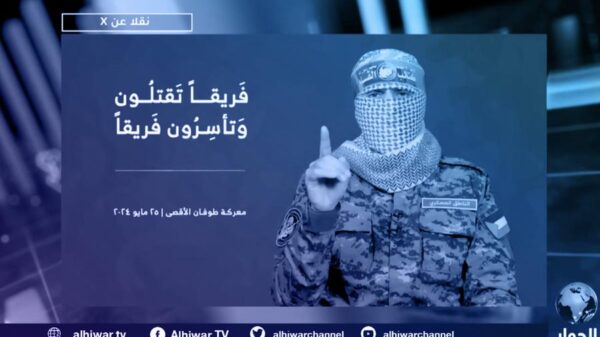
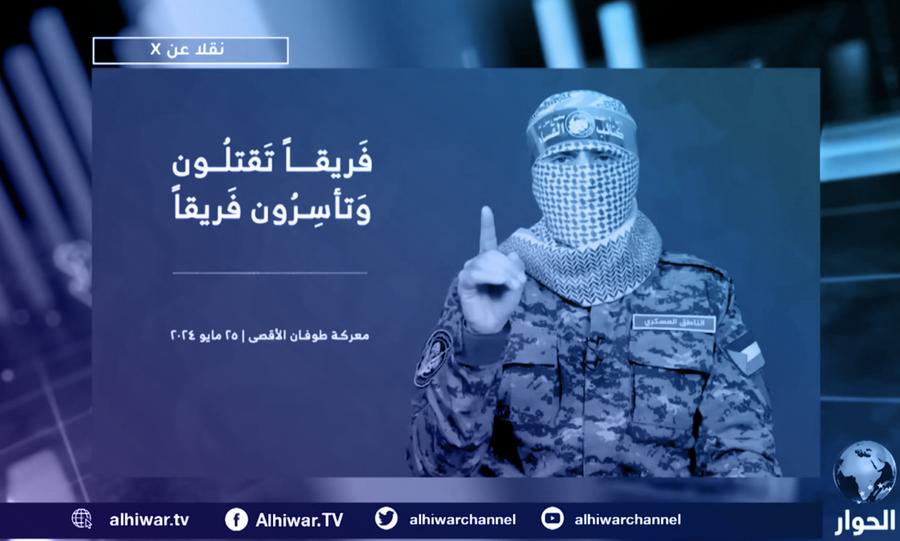
Al-Hiwar, another channel operating from Acton, West London, has also aroused controversy. With approximately 1.88 million subscribers on YouTube, the channel has gained notoriety for hosting prominent figures linked to Hamas. Recent episodes have featured discussions laden with antisemitic rhetoric, with academics making inflammatory claims against Zionism.
Regulatory Challenges and Community Concerns
The Community Security Trust (CST), a charity focused on Jewish community safety, released a report highlighting Al-Hiwar’s consistent promotion of views sympathetic to Hamas. The report analyzed 120 episodes since October 2023, revealing that the channel has repeatedly broadcast messages endorsing violence against Israelis. On the day of the October 7 attack, presenter Salih al-Azraq remarked that the resistance would “kill and capture dozens,” framing the violence in a positive light.
Ofcom’s current stance, as articulated by a spokesperson, underscores the limitations imposed by existing regulations. The spokesperson noted, “The Broadcasting Code does not apply to online-only streams or YouTube channels, and any change to this would be a matter for government and parliament.” This regulatory gap has led to calls for immediate reform to ensure that online platforms are held to the same standards as traditional broadcasters.
Dave Rich, the CST’s head of policy, criticized Al-Hiwar’s use of its Ofcom license to disseminate extreme content, which would not be tolerated on mainstream English-language channels. He stated, “Even worse, these videos are then uploaded by Al-Hiwar to its YouTube channel where they are out of reach of Ofcom’s regulation for good.”
As pressure mounts on Ofcom and the UK government to act, the debate over how to manage online hate speech continues to evolve. The challenge lies not only in addressing the immediate threats posed by these channels but also in establishing a framework that can effectively regulate emerging media landscapes in the future.