



































Hamas has expressed its readiness to discuss options for “freezing or storing” its weapons as part of a ceasefire agreement with Israel. This statement, made by senior official Bassem Naim on Sunday, suggests a potential pathway to address a critical issue in ongoing talks mediated by the United States.
During remarks in Doha, Qatar, Naim emphasized that Hamas is open to negotiations concerning its arsenal. The proposal to freeze or store weapons represents a significant shift and could serve as a basis for further discussions with Israel regarding a longer-term peace arrangement.
The ceasefire talks have faced numerous challenges, with the status of Hamas’ weapons remaining a particularly contentious point. By indicating a willingness to engage on this matter, Hamas may be seeking to demonstrate a commitment to de-escalation and dialogue.
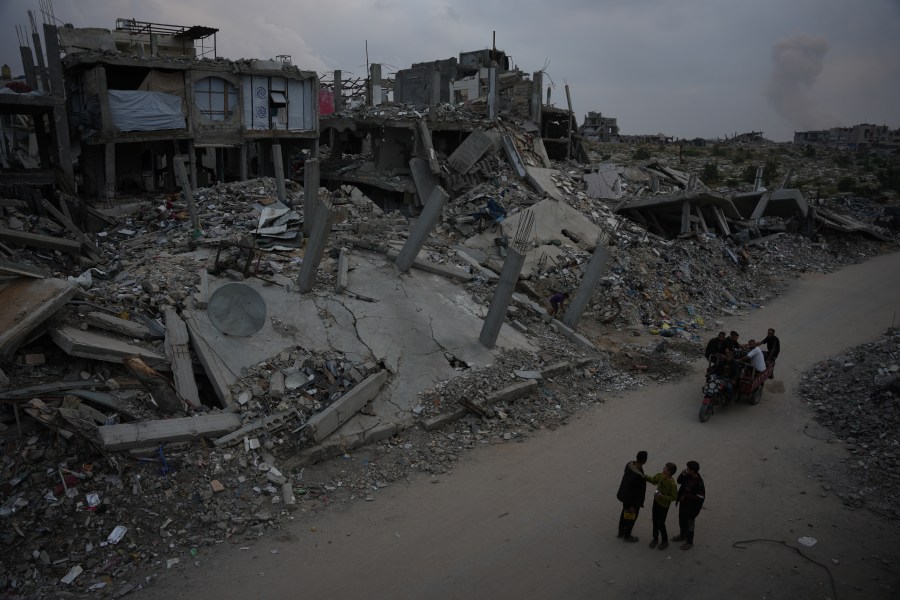
This development comes at a time when international stakeholders are hopeful for a more stable environment in the region. The potential for halting hostilities hinges on substantial agreements, and the U.S. has been actively facilitating discussions aimed at achieving a lasting ceasefire.
In recent weeks, various parties have shown interest in finding a resolution to the conflict that has persisted in the region for decades. The prospect of Hamas agreeing to limit its military capabilities could be seen as a step towards building trust among the involved parties.
As the negotiations continue, the focus will likely remain on how both sides can reach an understanding that prioritizes security and peace while addressing the underlying issues that have fueled the conflict.
The implications of this dialogue extend beyond immediate military concerns, as they may ultimately influence the broader geopolitical landscape in the Middle East. As discussions progress, stakeholders will closely monitor the situation for any signs of progress or setbacks.