





































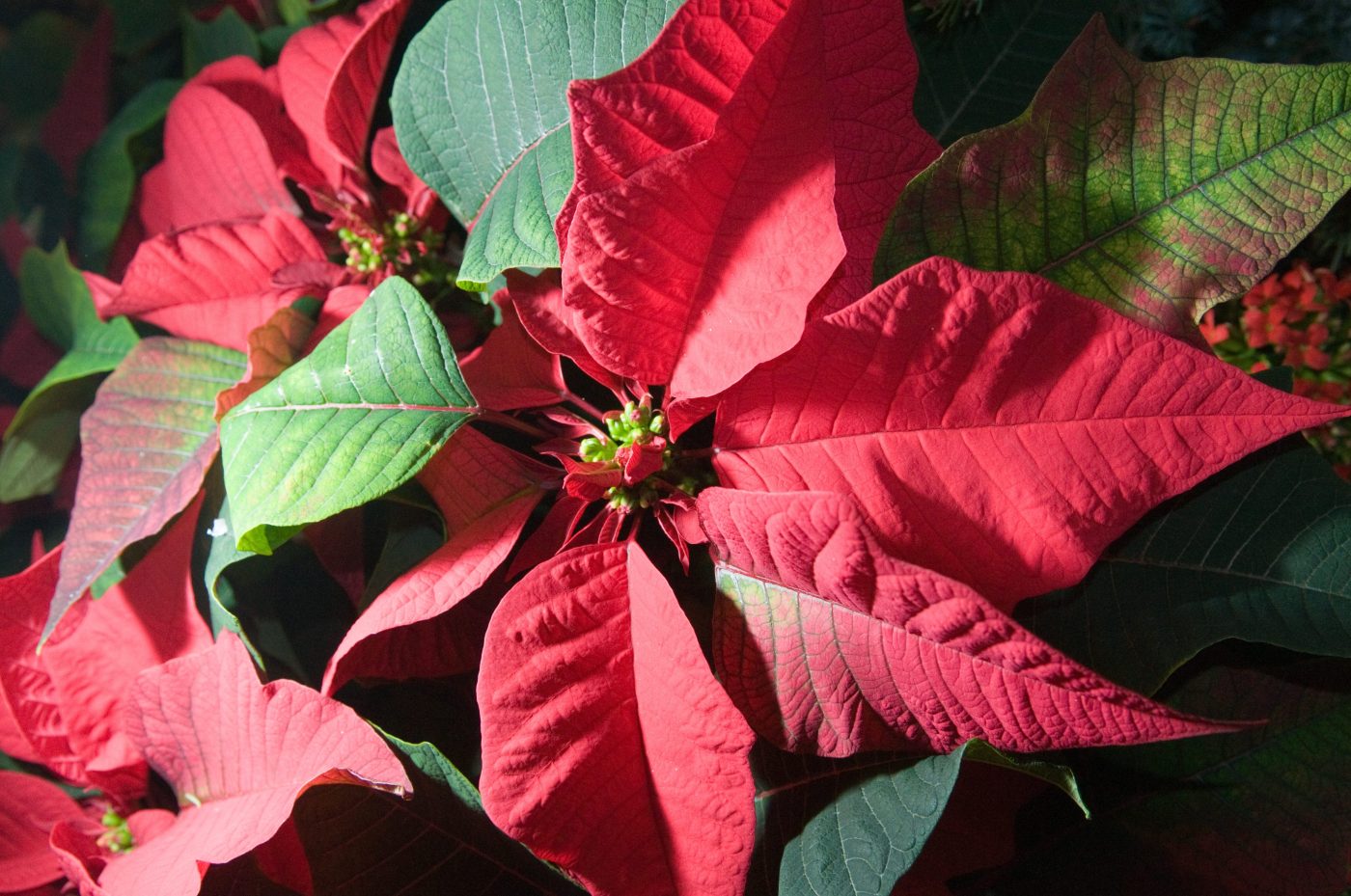
The holiday season is a time for festive decorations, and many choose to adorn their homes with poinsettias. These vibrant plants, known for their colorful bracts, can enhance any festive atmosphere. Careful selection and proper maintenance of these plants are essential for ensuring they thrive throughout the season.
Choosing the Right Poinsettia
When selecting a poinsettia, it’s crucial to choose a healthy plant. Look for varieties that appeal to your aesthetic, whether traditional red or newer cultivars in shades like pink, white, or yellow. The decorative feature of a poinsettia is its bracts, which are modified leaves, rather than its flowers. Aim for plants with dark green foliage reaching down to the top of the pot. Avoid any plants with fallen or yellowed leaves, as these may indicate poor health.
According to Tim Johnson, senior director of horticulture at the Chicago Botanic Garden, you should also check the maturity of the plant by inspecting the flowers located above the bracts. Flowers that are green or red-tipped and fresh looking will maintain their color longer than those covered in yellow pollen. Steer clear of wilted plants, as this stress can significantly shorten their lifespan.
Transporting and Caring for Your Poinsettia
Before transporting your new poinsettia, especially if temperatures are below 60 degrees Fahrenheit, cover the plant to protect it from chilling. Exposure to cold for just a few minutes can lead to drooping or leaf loss. Once home, promptly remove any protective coverings to prevent damage.
Poinsettias thrive in bright, indirect sunlight and should be kept away from cold drafts and heat sources. Placing them near busy entrances can also be detrimental. Ideally, maintain daytime temperatures around 65 degrees Fahrenheit to prolong the vibrancy of the bracts.
Water the plants thoroughly when the growing medium feels dry to the touch, ensuring that they do not stand in water. If the pot is in decorative wrapping or lacks drainage, remove it before watering. No fertilization is needed during the holiday season, allowing you to focus on keeping the plant healthy.
It’s important to note that poinsettias contain a white, milky sap that is mildly toxic to pets, particularly cats and dogs. While significant consumption is unlikely, it can cause symptoms such as nausea or vomiting. Frequent contact with the sap may result in mild skin irritation for some individuals.
If you are looking for more information on plant care, you can reach out to the Plant Information Service at the Chicago Botanic Garden via email at [email protected]. With proper selection and care, your holiday poinsettias can bring joy and beauty to your home throughout the festive season.