






























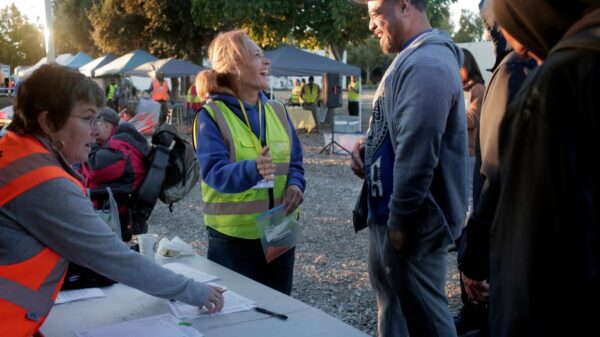



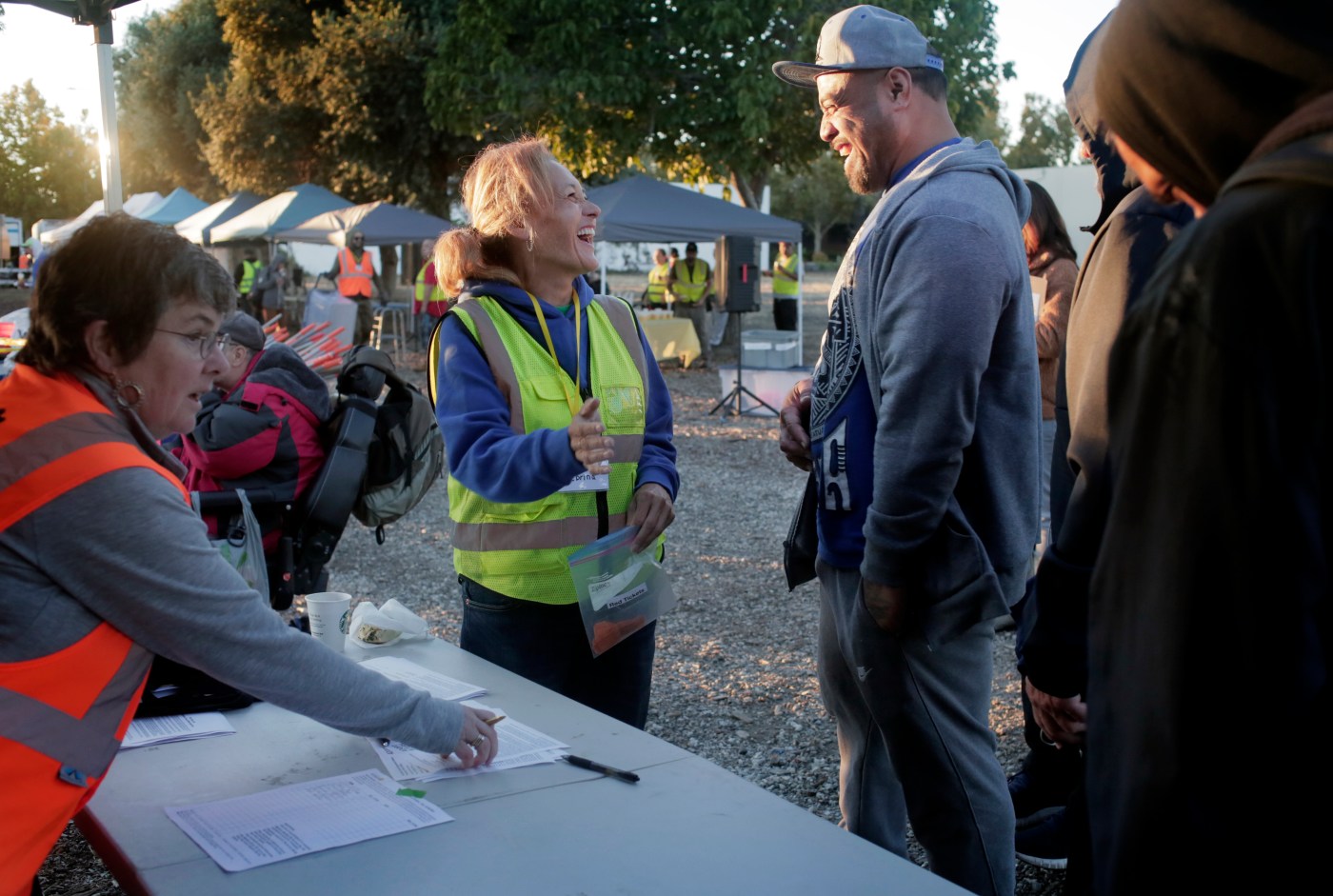
On October 18, 2025, hundreds of unhoused residents gathered at San Jose’s Guadalupe Gardens for a community cleanup event organized by Neighborhood Hands. The initiative not only offers a $20 cash stipend for participants but also promotes a sense of belonging and empowerment among those experiencing homelessness.
As dawn broke on a crisp autumn morning, the enthusiasm at the park was palpable. Many participants have been involved with the program since its relaunch in 2020, making their way to the event every other weekend. For many, this initiative is more than a chance to earn some money; it represents hope and a renewed sense of community.
A Transformation Story
Among the participants was Debrina Tenorio, who noted the profound impact the program has had on her life. Eighteen months prior, she faced homelessness and struggled with low self-esteem. Today, Tenorio has secured interim housing, set personal goals, and even reconnected with her family. She has become a supervisor in her work and continues to volunteer with Neighborhood Hands, saying, “Being able to support others on their journey has been one of the most meaningful parts of mine.”
The program began in 2018 when founder Bill Sullivan sought to address the growing need for community engagement among unhoused individuals. Starting with just a few tools and a small group of people, Sullivan aimed to create a supportive environment. “I could just see people’s eyes light up,” he recalled, recognizing the enthusiasm of participants eager to contribute positively to their surroundings.
As the cleanup events gained traction, attendance grew significantly, attracting up to 275 participants. Although the organization faced financial constraints, limiting the stipend to 200 participants per event, it has continued to expand its offerings. The cleanup now concludes with a community resource fair, connecting participants with various services, including medical and housing assistance.
Community Engagement and Resources
Executive Director Brian Powers highlighted the importance of fostering connections between housed and unhoused community members. “So much of the magic is breaking down the barriers,” he stated. This sentiment is echoed by the cleanup manager Luis Palacios, who once faced homelessness himself. His journey from a participant to a program leader underscores the program’s effectiveness. “I want to change hearts and minds,” Palacios said, emphasizing that unhoused individuals are often misunderstood.
Regular volunteers, like Mike Neunfinger, have also experienced a shift in perspective. Initially, he felt uncomfortable interacting with unhoused individuals. However, his involvement with Neighborhood Hands has helped him see them as individuals with unique stories. “Getting to really know the people, their stories, and talking to them is so gratifying,” Neunfinger remarked.
As the organization prepares to request $20,000 in funding from the Wish Book initiative to support its ongoing programs, the need for community understanding and empathy remains crucial. “We want to link people up with resources that will ultimately help them on hopefully a journey out of homelessness,” said Director of Development Kama Fletcher.
The continued support for programs like Neighborhood Hands is vital, particularly in light of the recent closure of other local organizations and federal funding cuts. “We have a general roadmap to guide us,” Powers explained. The focus remains on providing a consistent service to the community while fostering connections that can lead to lasting change.
As the cleanup concluded, participants received their stipends, reinforcing the sense of accomplishment and community spirit that defines Neighborhood Hands. The program serves as a reminder of the resilience and potential within the unhoused population, encouraging all involved to work toward a brighter future.