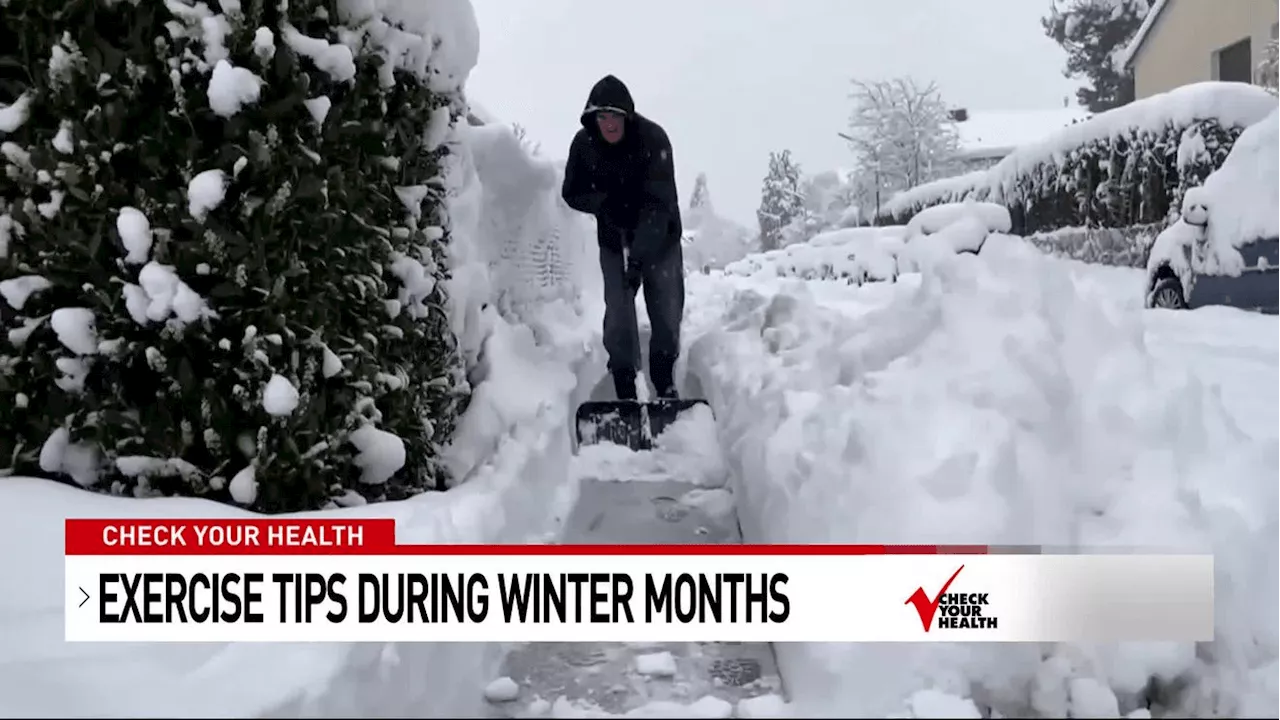
As winter settles in, many people feel less motivated to engage in physical activity. The Utah Department of Health and Human Services emphasizes that maintaining an exercise routine during the colder months is crucial for overall health. With temperatures dropping and snow blanketing the ground, it is easy to choose the warmth of home over a brisk walk or jog. Yet, staying active can significantly benefit both physical and mental health, making it essential to find ways to incorporate fitness into daily routines this season.
Physical activity guidelines recommend at least 150 minutes of exercise each week. Engaging in regular activity can improve mental well-being and reduce the risk of serious health issues, including heart disease, type 2 diabetes, and certain types of cancer. Despite the challenges posed by winter weather, being dressed appropriately can often be more important than the conditions themselves.
To exercise safely in colder temperatures, individuals should wear layers that can be adjusted as body heat rises during physical activity. Key items include coats, jackets, sweaters, hats, gloves, and appropriate footwear to prevent slips and falls on ice or snow.
For those who prefer staying indoors, there are many options to remain active without facing the winter chill. Simple exercises such as squats and push-ups can be performed at home. Additionally, online exercise classes or walking in shopping malls can provide effective alternatives to outdoor workouts.
To create a structured exercise plan, the FITT principle—frequency, intensity, time, and type—can be utilized. Frequency refers to how many times a week one engages in physical activity, while intensity measures how hard one works during exercise. Time indicates the duration of each workout session. The type of activity should include diverse exercises that one enjoys, ensuring consistency and commitment.
Setting achievable goals is essential for increasing frequency, intensity, and duration of workouts gradually. This method not only helps in reaching fitness objectives but also minimizes the risk of injury. General guidelines suggest engaging in a combination of aerobic and muscle-strengthening activities each week, ideally at a moderate intensity that raises heart rates.
As winter progresses, individuals are encouraged to prioritize physical activity for their health. By adapting to the season and finding enjoyable ways to stay active, people can enhance their overall well-being, even in the face of chilly weather. Taking simple steps to incorporate exercise into daily life can lead to significant long-term health benefits.