





































A recent shift in federal vaccine policy has prompted significant concern from health officials in New York City. The Advisory Committee on Immunization Practices (ACIP), under the direction of Robert F. Kennedy Jr., voted 8 to 3 to recommend an end to the long-standing guideline that all newborns receive the hepatitis B vaccine at birth. This vaccine protects against a virus that can lead to chronic liver disease, particularly in children.
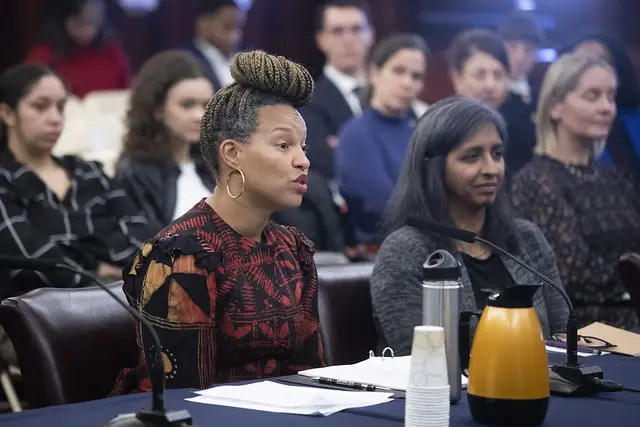
Dr. Michelle Morse, New York City’s Acting Health Commissioner, expressed her dismay over the committee’s decision. In an interview with Sean Carlson of All Things Considered, she emphasized that this change could create confusion among parents. “It’s incredibly infectious and very common,” she said, explaining that hepatitis B can be transmitted through contact with infected blood and bodily fluids, as well as through surfaces that have come into contact with the virus.
The new federal guidance suggests that parents should consult with their healthcare providers about the vaccine, rather than following a blanket recommendation. “In New York City and New York state, the guidance has not changed,” Dr. Morse reassured. “We continue to uphold the best practices, and our recommendation is still that all babies receive the hepatitis B vaccine within 12 to 24 hours of being born.”
Dr. Morse highlighted the historical success of the vaccine, stating that since its introduction, childhood rates of hepatitis B infection have decreased by 99%. She underscored the importance of the vaccine in preventing infections, noting that many individuals with hepatitis B may remain unaware of their condition. “Half of the people who have hepatitis B don’t know they have it,” she added, stressing the need for the vaccine to protect newborns.
The decision from the ACIP has sparked concerns about misinformation and its potential ripple effects throughout New York. Dr. Morse noted that the credibility of the Centers for Disease Control and Prevention (CDC) and ACIP has been compromised by this recommendation. “The decision reflects how far those institutions have fallen from their mission,” she remarked.
As a practicing physician, Dr. Morse acknowledged the added burden this change brings to healthcare providers who are already under pressure. “The extra work and confusion from this kind of announcement distract from patient care,” she stated.
When asked about vaccine hesitancy in New York City, Dr. Morse acknowledged a slight increase in resistance, particularly following the controversies surrounding the COVID-19 vaccine. Despite this, she reported high vaccination rates among children entering kindergarten, with over 98% receiving the necessary immunizations.
In light of the federal guidance, Dr. Morse advised parents to discuss any vaccine-related questions with their healthcare providers. “You should be asking questions about vaccines,” she encouraged, reaffirming the vaccine’s safety and efficacy.
Dr. Morse’s trust in the CDC has been shaken. “At this point, I can no longer direct New Yorkers to the CDC websites or resources as a best source of information,” she said. Instead, she recommends the New York City Health Department’s social media channels and website for reliable guidance.
In conclusion, the recent federal recommendation to alter hepatitis B vaccination practices has raised alarm among health officials in New York. With a commitment to maintaining public health standards, Dr. Morse remains steadfast in her advocacy for the vaccine and the health of the city’s newborns.