








































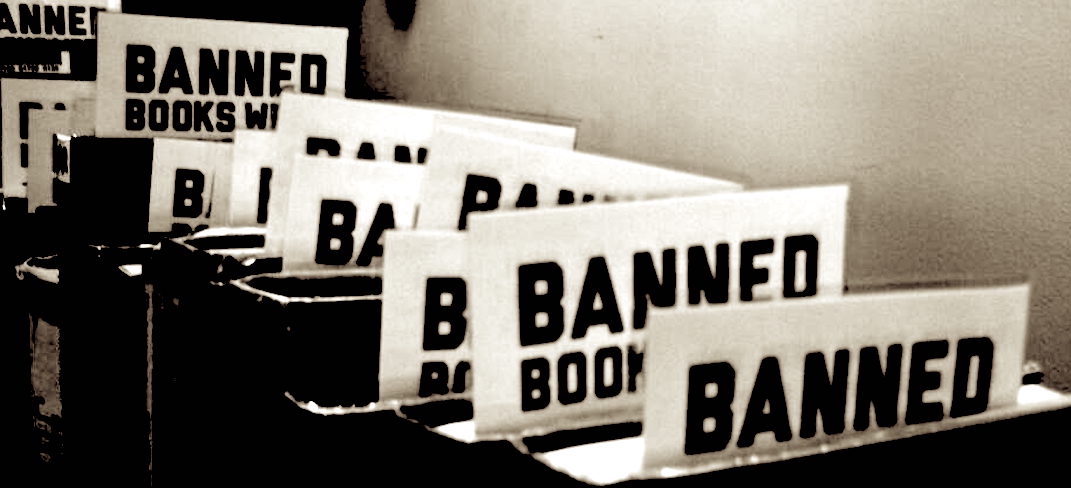
Public libraries in Texas, Louisiana, and Mississippi will no longer have the protections of the First Amendment after the Supreme Court declined to hear the case of *Little v. Llano County*. This decision effectively upholds a ruling by the Fifth Circuit Court of Appeals, which had previously found against the plaintiffs who argued for their right to access certain books in public libraries.
The case began in 2021 when residents in Llano County, Texas, initiated challenges against various books in their library, including Maurice Sendak’s *In the Night Kitchen* and the sex education book *It’s Perfectly Normal*. Following the removal of seventeen books, several residents filed a lawsuit asserting that the bans constituted a violation of their First Amendment rights.
The legal journey took a significant turn when the Fifth Circuit initially sided with the plaintiffs. However, this ruling was later vacated, leading to a judgment that favored the defendants. The matter was subsequently elevated to the Supreme Court, which announced on March 25, 2024, that it would not hear the case. The refusal to grant a writ of certiorari means that the lower court’s ruling remains in effect.
In an email response, lead plaintiff Leila Green Little expressed her disappointment: “They will not hear our case. No explanation is given. This means that the en banc ruling of the Fifth Circuit Court of Appeals will remain in effect for Texas, Louisiana, and Mississippi. This means that public library patrons have no First Amendment rights to access information. This means we now live in a censorship state.”
The implications of this ruling extend beyond the immediate region. Advocates for free speech and access to information fear that this marks the beginning of a broader trend towards censorship in libraries across the United States. While many communities have already been engaged in battles against book bans, this decision could embolden further challenges.
Organizations such as Authors Against Book Bans and PEN America have been at the forefront of the fight against censorship. They emphasize the importance of supporting literature and the freedom to access diverse viewpoints. The current legal landscape poses significant challenges, as the judicial system appears to be increasingly resistant to claims of First Amendment violations in the context of public libraries.
The outcome of *Little v. Llano County* has sparked a renewed urgency among advocates for library access. Many believe that without robust protections, libraries could face a wave of challenges similar to those seen in Llano County. The potential for new restrictions on information access looms large, affecting not only specific books but the broader principles of free expression.
As the debate continues, it remains crucial for citizens to support organizations working to combat these emerging threats to library access. The fight against censorship is likely to intensify, but advocates remain committed to ensuring that all individuals can access the information they seek.
In summary, the Supreme Court’s decision has profound implications for public libraries in the southern United States, raising concerns about the future of free speech and access to information in an increasingly restrictive environment.
























