








































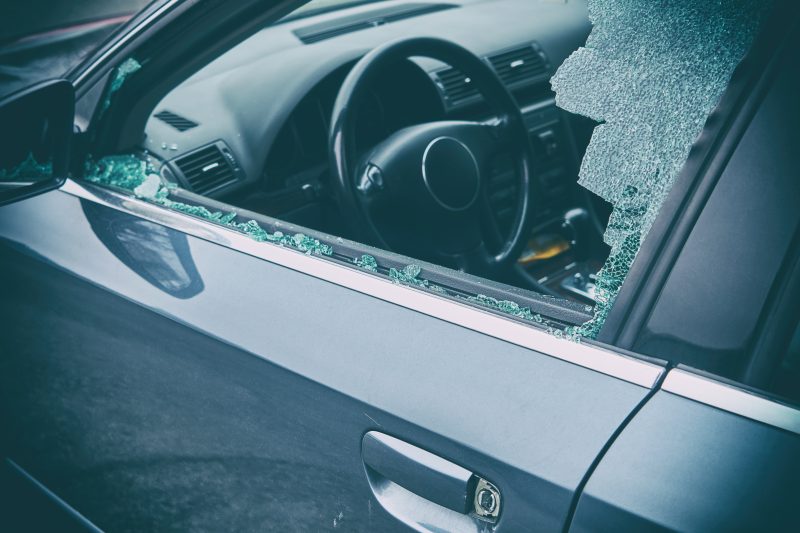
Finding a broken car window can be a distressing experience, whether the damage results from an accident, vandalism, or severe weather conditions. Fortunately, replacing a car window is generally a straightforward and cost-effective process. As we look ahead to 2025, it is essential to understand the materials involved, available repair options, insurance implications, and overall replacement costs.
Material Composition of Car Windows
Car windows are primarily made from two types of glass: tempered glass and laminated glass. Tempered glass is used in side and rear windows due to its strength. It shatters into small, blunt pieces, reducing injury risk in accidents. Laminated glass, commonly found in windshields, consists of two glass layers with a plastic interlayer. This construction prevents shattering and enhances safety.
Understanding these materials is crucial when considering replacements, as it directly affects the cost and type of repair required. The choice between tempered and laminated glass can impact both the price and the durability of the new window.
Replacement Options and Costs
The cost of replacing a car window can vary significantly depending on several factors, including the type of glass, vehicle make and model, and labor costs. According to a report by iSeeCars, the average price for replacing a side window ranges from approximately $300 to $500, while a windshield replacement can cost between $200 and $1,000.
DIY repairs are possible for some minor damages, such as small chips or cracks. However, professional replacement is recommended for larger breaks or complete window failures to ensure safety and proper sealing. Many auto glass repair companies offer mobile services, allowing technicians to perform repairs at the owner’s location, which can be a convenient option.
Insurance can also play a significant role in the cost of replacement. Depending on the coverage, some policies may fully cover glass repairs or replacements without requiring a deductible. It is advisable for car owners to review their insurance policies and consult with their providers to understand what is covered.
Conclusion
Replacing a broken car window in 2025 is a manageable task, with several options available to fit various budgets and preferences. By understanding the materials involved, potential costs, and insurance implications, vehicle owners can make informed decisions. Whether opting for a professional service or considering a DIY approach, addressing a broken window promptly is essential for ensuring safety and maintaining the vehicle’s integrity.
























