








































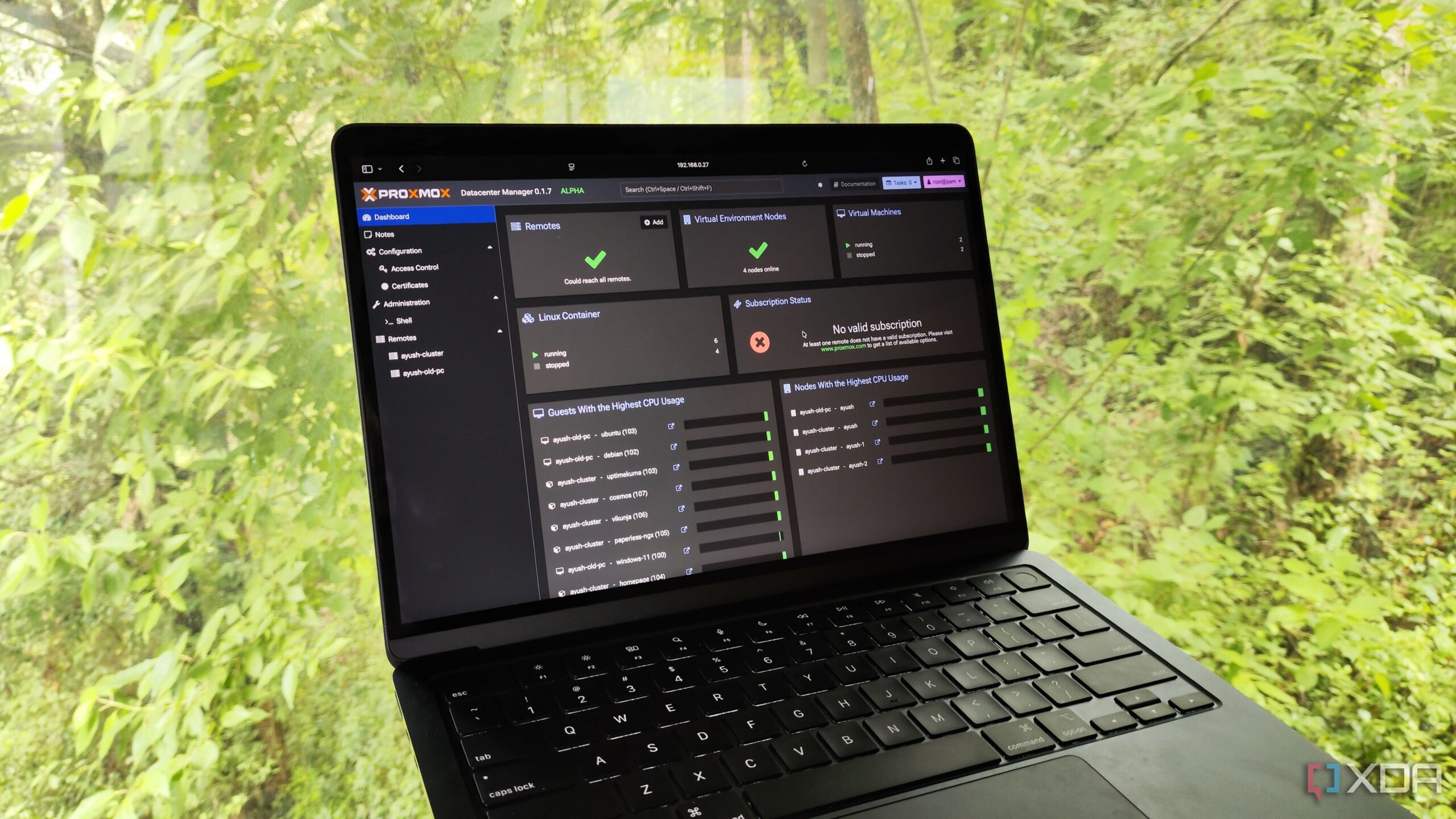
The allure of self-hosting has captivated many technology enthusiasts, particularly those drawn to Free and Open-Source Software (FOSS). While the initial appeal lies in the perception of “free” software, a deeper examination reveals that the reality of self-hosting entails significant costs beyond the price of the software itself.
Understanding the financial implications is crucial for anyone considering self-hosting solutions. Although the software can be downloaded without charge, the expenses associated with running and maintaining these systems can accumulate quickly. Here are five key reasons why self-hosted solutions may not be as cost-effective as they initially appear.
1. Infrastructure Costs
Setting up a self-hosted environment requires substantial investment in hardware. Users often need to purchase servers, storage devices, and networking equipment to ensure smooth operation. For instance, a reliable server can cost anywhere from $500 to several thousand dollars, depending on its specifications. Additionally, ongoing electricity costs for running these devices can add up over time.
2. Maintenance and Support Expenses
Regular maintenance is essential to keep self-hosted systems running efficiently. This includes updates, security patches, and troubleshooting issues. For those without technical expertise, hiring IT professionals can be a significant expense. According to various industry reports, the average cost of hiring a systems administrator can range from $60 to $150 per hour, depending on location and experience.
3. Network Security and Compliance
Self-hosted solutions require robust security measures to protect sensitive data from cyber threats. Implementing firewalls, encryption, and regular security audits can be costly. Moreover, businesses must comply with regulations such as the General Data Protection Regulation (GDPR) in the European Union, which may necessitate additional investments in compliance tools and services.
4. Technical Expertise Requirement
While many self-hosted systems are user-friendly, a certain level of technical expertise is often necessary. Users must be familiar with server management, software configuration, and troubleshooting. For those lacking these skills, the cost of education or hiring skilled personnel can be a barrier to successful self-hosting.
5. Long-Term Commitment
Self-hosting is not a one-time investment; it requires a long-term commitment to ensure sustainability. As software evolves, users must continuously adapt their systems, which can involve further costs for upgrades or additional features. Users must also consider the opportunity cost of spending time managing and maintaining their systems instead of focusing on their core business activities.
In conclusion, while self-hosting may initially appear to be a cost-effective solution due to the “free” nature of FOSS, the associated expenses can quickly diminish any perceived savings. Understanding the financial and technical requirements is essential for anyone considering this route. As the technology landscape continues to evolve, potential self-hosters must weigh these factors carefully to make informed decisions that align with their goals and resources.
























