








































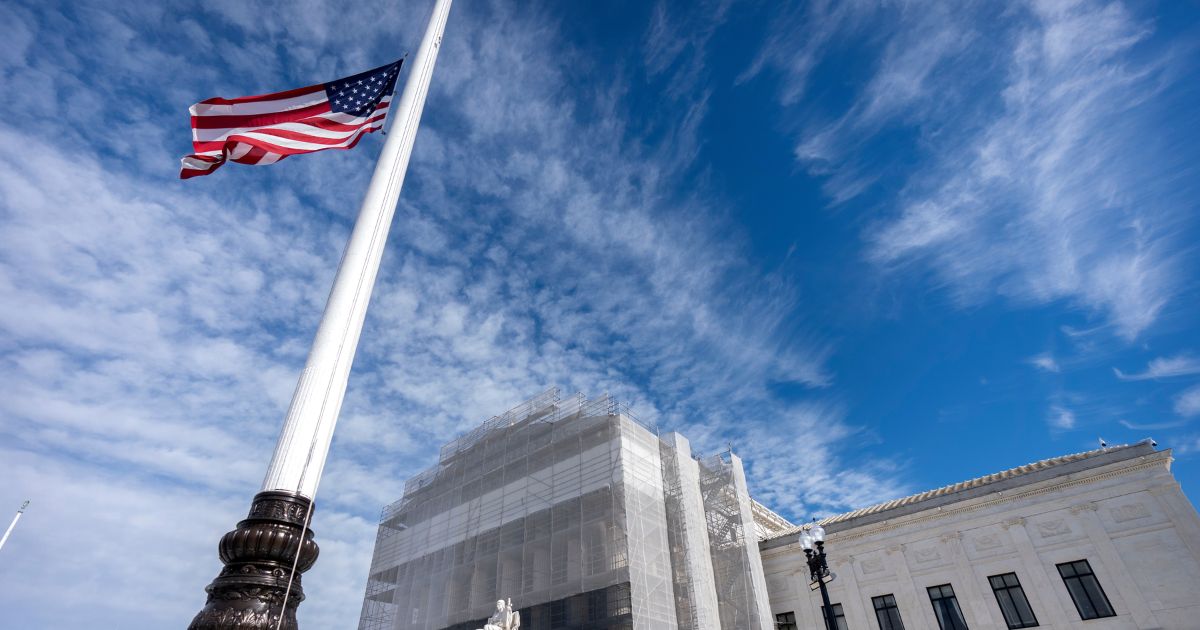
The Supreme Court has agreed to review the constitutionality of President Donald Trump’s executive order concerning birthright citizenship. This order asserts that children born in the United States to parents who are undocumented or in the country temporarily are not entitled to American citizenship. The justices will hear the case this spring, and a ruling is anticipated by early summer.
This case stems from a ruling by a federal court in New Hampshire, which blocked Trump’s citizenship order in July. The American Civil Liberties Union (ACLU) is leading the legal challenge, representing affected children and their parents. The ACLU’s national legal director, Cecillia Wang, emphasized that “no president can change the 14th Amendment’s fundamental promise of citizenship.” She expressed optimism about the Supreme Court’s decision, stating, “We look forward to putting this issue to rest once and for all.”
Trump’s order, signed on January 20, 2021, during his second term inauguration, is part of a broader crackdown on immigration, which includes increased enforcement measures in several cities. The administration’s legal strategy has faced numerous challenges, with lower courts frequently ruling against its policies. For example, the Supreme Court recently halted the use of the 18th-century Alien Enemies Act for the expedited deportation of Venezuelan gang members without court hearings.
In another instance, the justices allowed immigration stops in the Los Angeles area to resume, despite a lower court ruling that had blocked these stops based on race, language, job, or location. The Supreme Court is also considering an emergency appeal from the administration regarding the deployment of National Guard troops in the Chicago area for immigration enforcement, which a lower court has currently prohibited.
Trump’s birthright citizenship order challenges the long-standing interpretation of the Fourteenth Amendment, which grants citizenship to all individuals born on U.S. soil, with limited exceptions. Historically, this amendment was established to ensure citizenship for formerly enslaved individuals and their descendants. Legal experts have noted that every court that has examined this issue concluded that Trump’s order likely violates the amendment.
The administration claims that children of non-citizens are not “subject to the jurisdiction” of the United States and therefore should not receive citizenship. D. John Sauer, a senior administration attorney, stated in court documents that the Fourteenth Amendment was specifically designed to address the citizenship of newly freed slaves, not the children of undocumented immigrants.
Support for the administration’s stance comes from 24 Republican-led states and 27 Republican lawmakers, including Senators Ted Cruz of Texas and Lindsey Graham of South Carolina. These political figures argue that the interpretation of birthright citizenship needs reevaluation to reflect contemporary immigration realities.
As the Supreme Court prepares to hear arguments, the outcome will have significant implications for immigration policy and the interpretation of constitutional rights in the United States. With the potential for a definitive ruling, the case could reshape the legal landscape concerning citizenship and immigration for years to come.
























