








































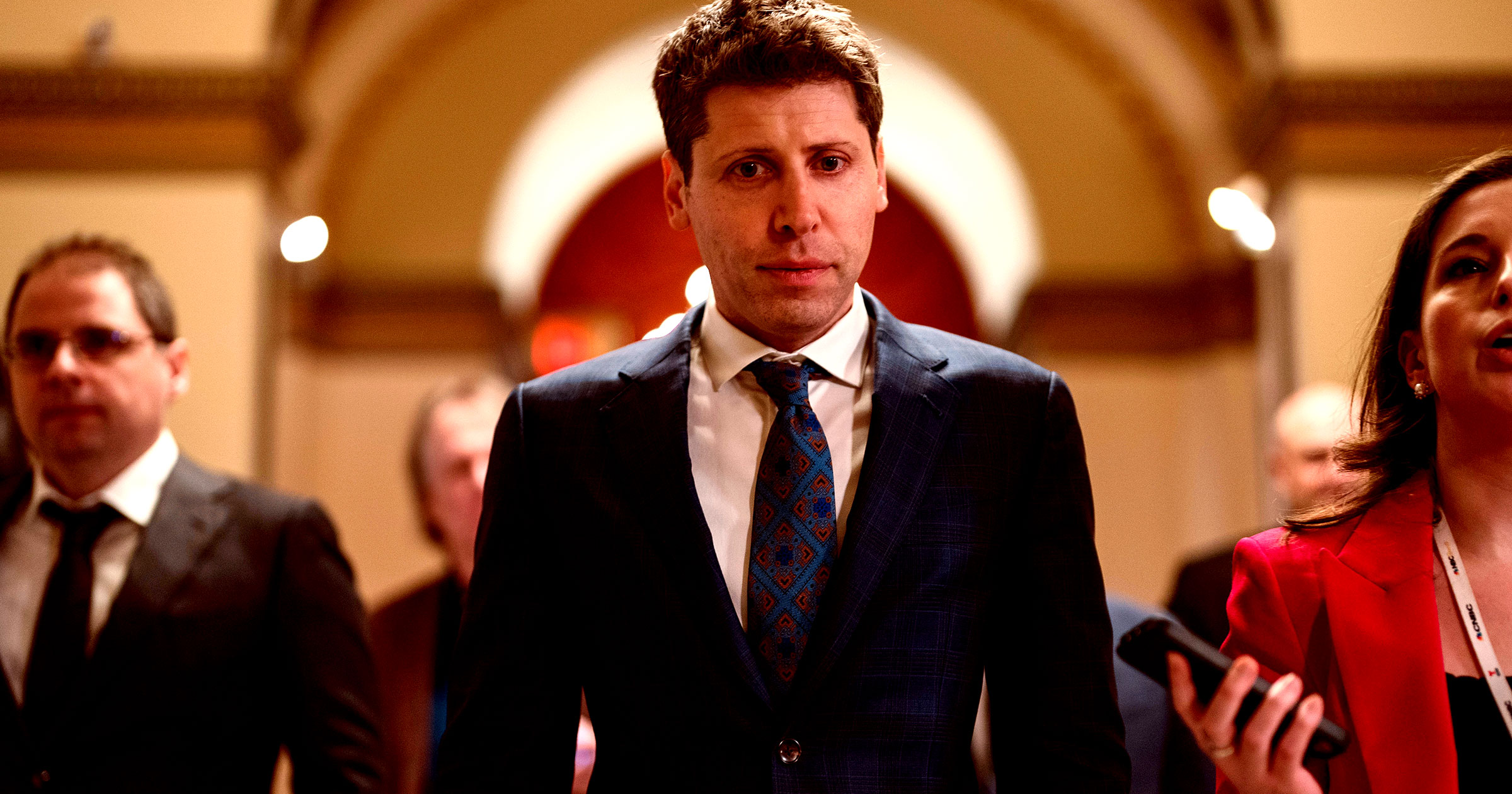
OpenAI, once a frontrunner in the artificial intelligence sector, is now grappling with significant financial challenges. CEO Sam Altman has raised alarms, declaring a “code red” as the company faces mounting competition and financial losses that are staggering in scale. Once enjoying a substantial edge over competitors with its popular AI chatbot ChatGPT, OpenAI’s lead has now dwindled, prompting concerns about its future viability.
The financial situation at OpenAI is alarming. The company is reportedly set to spend over $1 trillion in the coming years while incurring massive losses each quarter. According to a note from Deutsche Bank analyst Jim Reid, OpenAI could face losses amounting to $140 billion between 2024 and 2029. Reid emphasized that no start-up has ever operated under such expected losses, marking this situation as “uncharted territory.”
Despite ChatGPT’s reported 800 million weekly active users as of September, revenues have not kept pace, with many users hesitant to pay for subscriptions. This contrasts sharply with Google, which is rapidly closing the gap in the AI market. The tech giant has a significant advantage, generating $30 billion in profit quarterly, as highlighted by the Washington Post. Analysts are questioning whether OpenAI can survive if the so-called AI bubble bursts.
Competition is intensifying. Google’s new Gemini AI app has shown impressive growth, with a 30 percent increase in monthly active users from July to November, compared to ChatGPT’s modest 5 percent. The recent launch of Gemini 3 showcased superior benchmarks compared to OpenAI’s offerings, while OpenAI’s own Sora video-generating app has received little attention following its controversial rollout.
The competitive landscape is further complicated by the emergence of open-source AI models, particularly from companies like DeepSeek in China, which have introduced highly efficient technology that is influencing the market dynamics in Silicon Valley.
Industry experts are voicing concerns about OpenAI’s ability to maintain its position. Geoffrey Hinton, often referred to as the “Godfather of AI” and a former lead at Google AI, expressed skepticism regarding OpenAI’s future. He noted that it is surprising that it has taken Google this long to surpass OpenAI, stating, “My guess is Google will win.” Hinton underscored Google’s robust research capabilities and extensive data resources as key advantages in the race for AI supremacy.
As OpenAI navigates these turbulent waters, the stakes continue to rise. The company must find ways to enhance its revenue streams while addressing the growing pressure from competitors. With financial forecasts indicating substantial losses ahead and user growth stagnating, the road ahead for OpenAI appears fraught with challenges that will require innovative strategies to overcome.
























