








































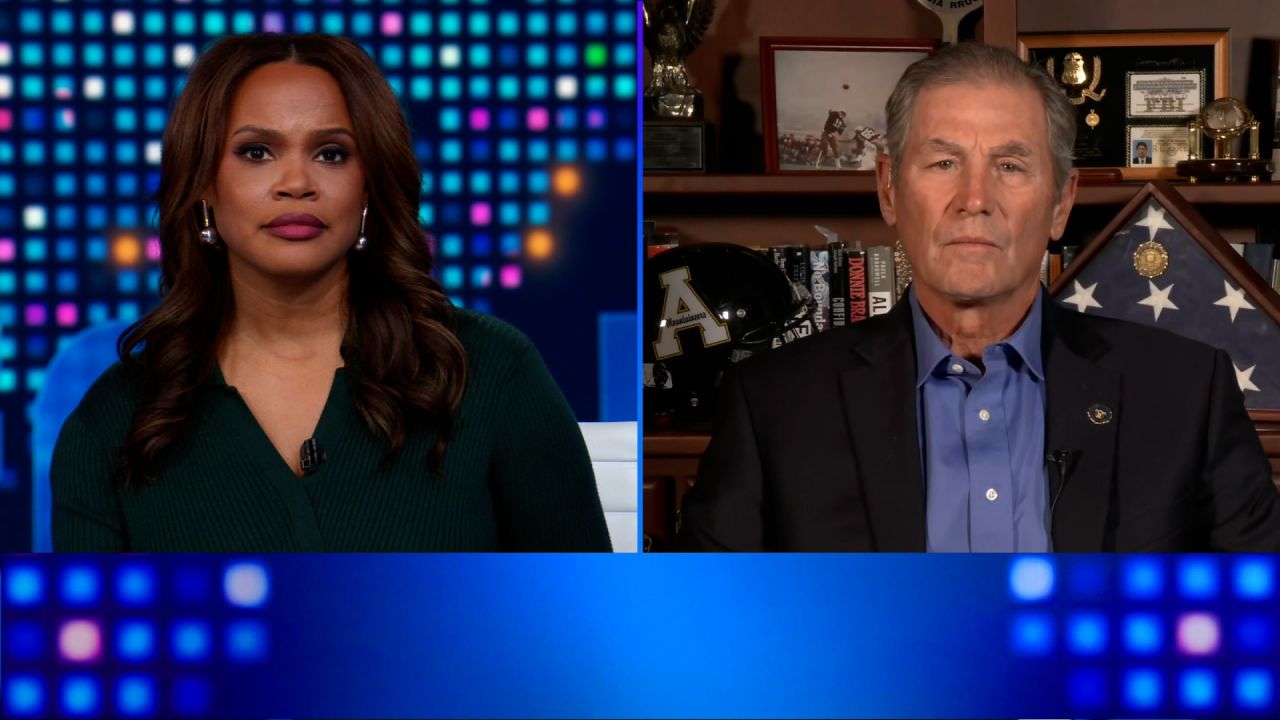
URGENT UPDATE: Former FBI Assistant Director Chris Swecker has come to the defense of the FBI following criticism from the Biden Administration regarding the ongoing investigation into the pipe bomb case in Washington, D.C.. In a statement made earlier today, Swecker asserted that the FBI has not been “half-stepping” in its efforts to resolve this critical matter.
The remarks come in response to an escalating debate over the FBI’s handling of the investigation, which has drawn public scrutiny. Swecker emphasized the agency’s commitment to finding a solution, noting the significant advancements in Artificial Intelligence over the past four years that have transformed investigative techniques.
“I don’t think the FBI was half-stepping through this and trying to avoid a solution,” Swecker stated, reinforcing that the agency is leveraging cutting-edge technology to enhance its capabilities. This assertion aims to quell concerns raised by government officials who have questioned the Bureau’s urgency in resolving the case.
The pipe bomb case, which has remained unresolved for months, revolves around devices planted near the Democratic and Republican National Committees during a tense period in Washington. The implications of this investigation are vast, as it touches on national security and public safety.
As the situation continues to develop, all eyes remain on the FBI’s next moves. Officials have reiterated the importance of transparency and accountability in the investigation. The public’s trust in the FBI and the effectiveness of the Biden Administration’s response to security threats are at stake.
Swecker’s defense serves as a reminder that the challenges posed by evolving technologies, including AI, are being addressed head-on by law enforcement. As the investigation unfolds, further announcements are expected from both the FBI and the Department of Justice, with potential advancements in the case that could lead to significant breakthroughs.
Stay tuned for updates as this story develops. The stakes are high, and the outcome could have lasting implications on both national security policy and public trust in federal agencies.
























