








































UPDATE: A former top Russian general has delivered a scathing critique of the Kremlin’s intelligence services, claiming they misled Moscow into launching a disastrous invasion of Ukraine in February 2022. Col. Gen. Vladimir Chirkin, who commanded Russia’s ground forces from 2012 to 2013, stated that he would give the entire Russian intelligence community a “failing grade” for their performance.
In a strikingly candid interview with RBC aired on November 27, Chirkin expressed that the Russian leadership was “once again unprepared” for war. He emphasized that they were misinformed about the political sentiment in Ukraine, believing that 70% of the Ukrainian population supported a pro-Russian government. The reality was starkly different, with Chirkin revealing that only 30% were in favor, while a significant 70% opposed Russia’s invasion.
Chirkin’s comments, which have gained traction among Ukrainian circles and media, underscore a growing acknowledgment within Russia of the intelligence failures leading up to the conflict. “Everyone started saying in February 2022 that the war would be over in three days. We’ll beat them all now,” he remarked, reflecting on the hubris that preceded the invasion.
The general highlighted a pattern of miscalculation by Russian leadership, noting that Moscow has historically underestimated its opponents. “To be fair, I don’t intend to criticize anyone, but in my opinion, Russia was once again unprepared for war,” he stated, drawing parallels to previous conflicts.
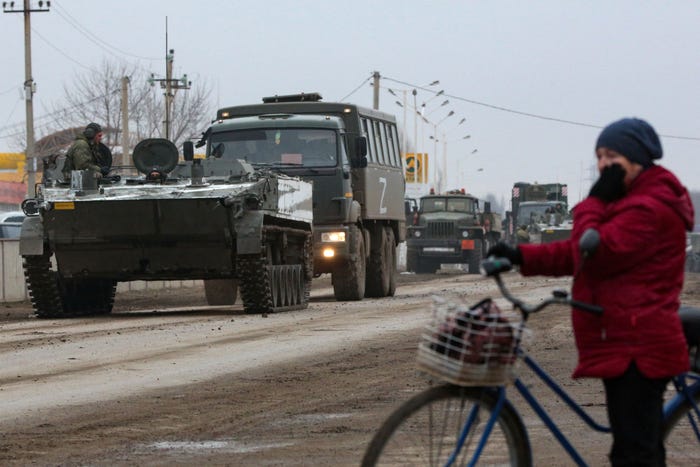
Chirkin’s analysis aligns with assessments from Western and Ukrainian intelligence, suggesting that Russia severely misjudged its military capabilities, particularly during the initial offensive aimed at seizing the capital, Kyiv. After weeks of logistical failures and confusion among troops, Russian forces withdrew from Kyiv in late March, marking a significant blow to their initial war strategy.
In a climate where dissent is harshly punished in Russia, Chirkin’s remarks stand out for their frankness. His interviewer, Yuri Tamantsev, expressed surprise at the level of candor displayed during their conversation, stating, “To be honest, I didn’t expect such frankness at the very beginning of our conversation.”
Chirkin’s comments take place against a backdrop of stringent laws prohibiting the dissemination of “false information” about the war, which can lead to severe penalties. Despite this, the former general refrained from critiquing the official rationale for the invasion, focusing instead on the evolution of Russian military tactics and the challenges faced by its troops.
While Chirkin’s military career has been marred by scandal—he was stripped of his command in 2013 over bribery charges—his insights reflect a growing discontent within the ranks regarding Russia’s military strategy and execution in Ukraine.
As the conflict continues, the implications of Chirkin’s assessment may resonate beyond military circles, potentially influencing public opinion and military policy within Russia. The fallout from this war remains significant, and analysts will be closely monitoring how such criticisms impact the Kremlin’s future decisions.
Stay tuned for more updates as this story develops.
























