








































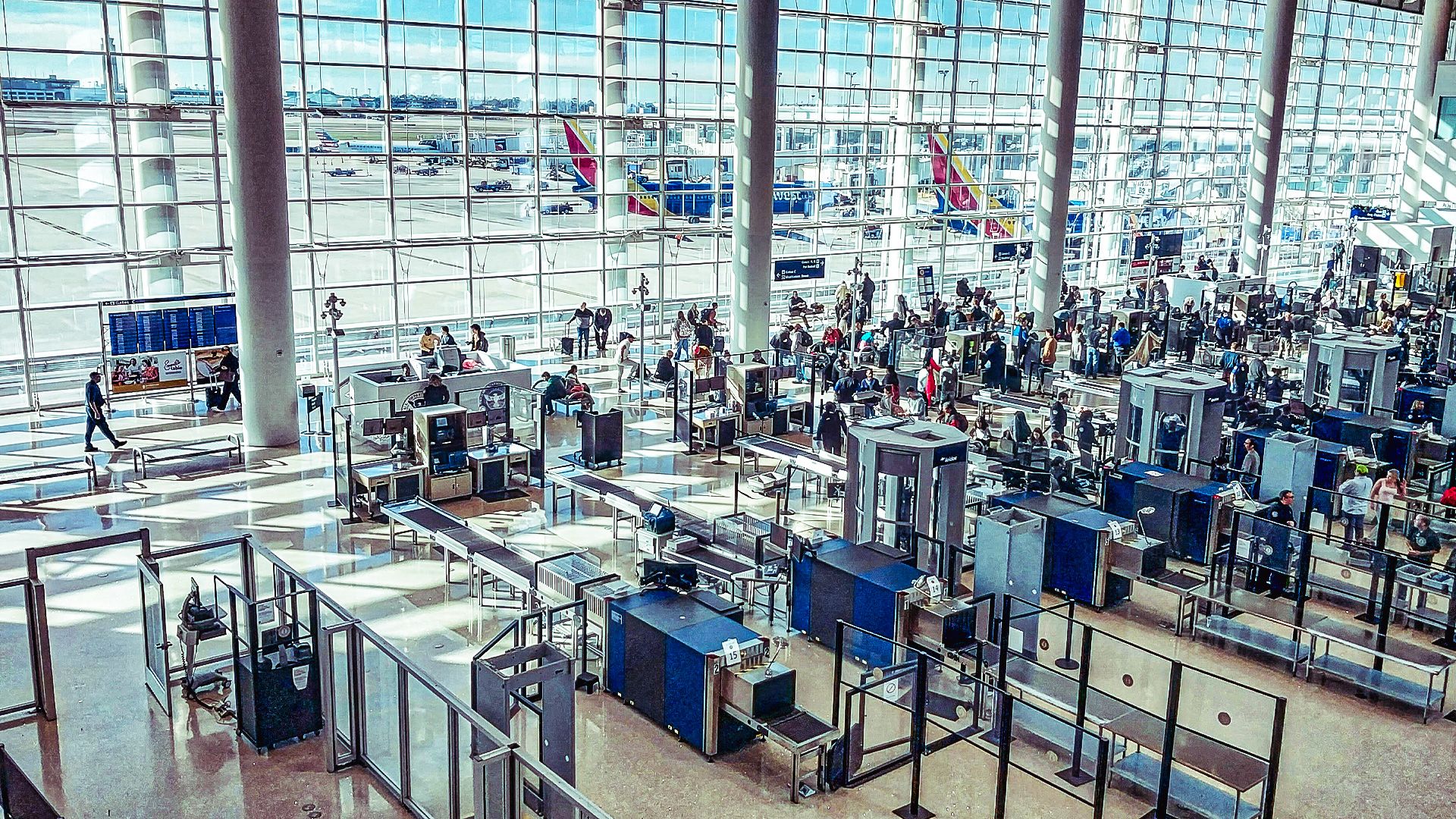
Domestic air travel in the United States is about to undergo significant changes regarding identity verification. Starting on March 15, 2025, the Transportation Security Administration (TSA) will fully enforce the REAL ID Act, which brings stricter requirements for the types of identification accepted at airport checkpoints. Travelers arriving without a compliant ID may face various consequences, including additional fees, extended security screening, or even being denied boarding.
Understanding the REAL ID Act Enforcement
The REAL ID Act has been in place since the post-9/11 era but has faced multiple delays in enforcement. This changed on May 7, 2025, when the TSA began nationwide enforcement. From this date, state-issued driver’s licenses or photo IDs must feature a specific marking—typically a star in the upper right corner—to be valid for air travel. If your ID lacks this marking, it will not be accepted at TSA checkpoints unless you present an alternative approved form of identification.
The list of acceptable forms of ID has broadened but is also more stringent. Valid IDs for domestic flights now include:
– REAL ID-compliant state licenses or IDs
– State-issued Enhanced Driver’s Licenses (EDL/EID)
– U.S. passports or passport cards
– U.S. military IDs (active, retired, or dependents)
– Permanent resident cards
– Canadian provincial driver’s licenses
– Foreign government-issued passports
Travelers should check the complete list of acceptable IDs on the TSA’s official website before traveling, as policies may change without notice.
Consequences of Not Having a Valid ID
What should you expect if you arrive at the airport without an acceptable form of ID? The TSA has implemented an alternative identity verification process that allows some travelers to proceed, provided they can answer personal questions or undergo technology-assisted verification. However, this route comes with an $18 non-refundable fee, introduced in November 2025, as part of the Modernized Alternative Identity Verification Program. If verified, this process grants up to 10 days of airport access.
It’s important to note that paying this fee does not guarantee clearance. If the TSA cannot confirm your identity, you may still be denied access to secure areas and thus miss your flight. Moreover, even with successful verification, you can expect delays due to additional screening.
Reports from travelers highlight the challenges posed by these new regulations. Some have shared experiences of being delayed or denied boarding even when presenting IDs that should be acceptable. For instance, one individual reported that their trusted traveler card was incorrectly treated as non-compliant. Such instances emphasize that relying on alternative IDs can lead to significant travel disruptions.
The new fee and verification process aim to streamline identification checks at airports, especially as approximately 94% of U.S. travelers already possess compliant IDs, according to recent data. This change may help alleviate the resource demands placed on TSA officers, who have previously relied on manual verification methods.
For air travelers, the implications of these new rules are clear. Ensuring compliance with ID requirements is no longer a minor detail but a crucial aspect of travel planning.
Practical Tips for Travelers
Given the heightened stakes associated with ID verification, travelers should take proactive steps to avoid complications. Here are some practical recommendations:
– Verify your ID before arriving at the airport. Ensure that it is REAL ID-compliant or carry an alternative accepted form such as a passport or military ID.
– Treat the $18 fee for alternative verification as a last resort. The success of this method is not guaranteed, and failure could prevent you from boarding.
– Arrive early. If you anticipate needing alternative verification, factor in additional time for potential delays, including extra bag checks and screening.
– Carry a backup ID whenever possible. Having a passport or another federally accepted document can save you from significant inconveniences.
– Frequent flyers should upgrade to a REAL ID if they haven’t done so. With enforcement now active, this is the most reliable way to ensure smooth travel experiences.
The enforcement of the REAL ID Act signifies a crucial shift in U.S. air travel. What was once a more relaxed approach to identification is now a structured and regulated process focused on security and compliance. For the majority of travelers who already possess compliant IDs, these changes may have little impact. However, for those who are unprepared or rely on outdated forms of identification, the risks have increased significantly, leading to potential fees, delays, or denied boarding. Staying informed and prepared is essential for successful travel in this new landscape.
























