








































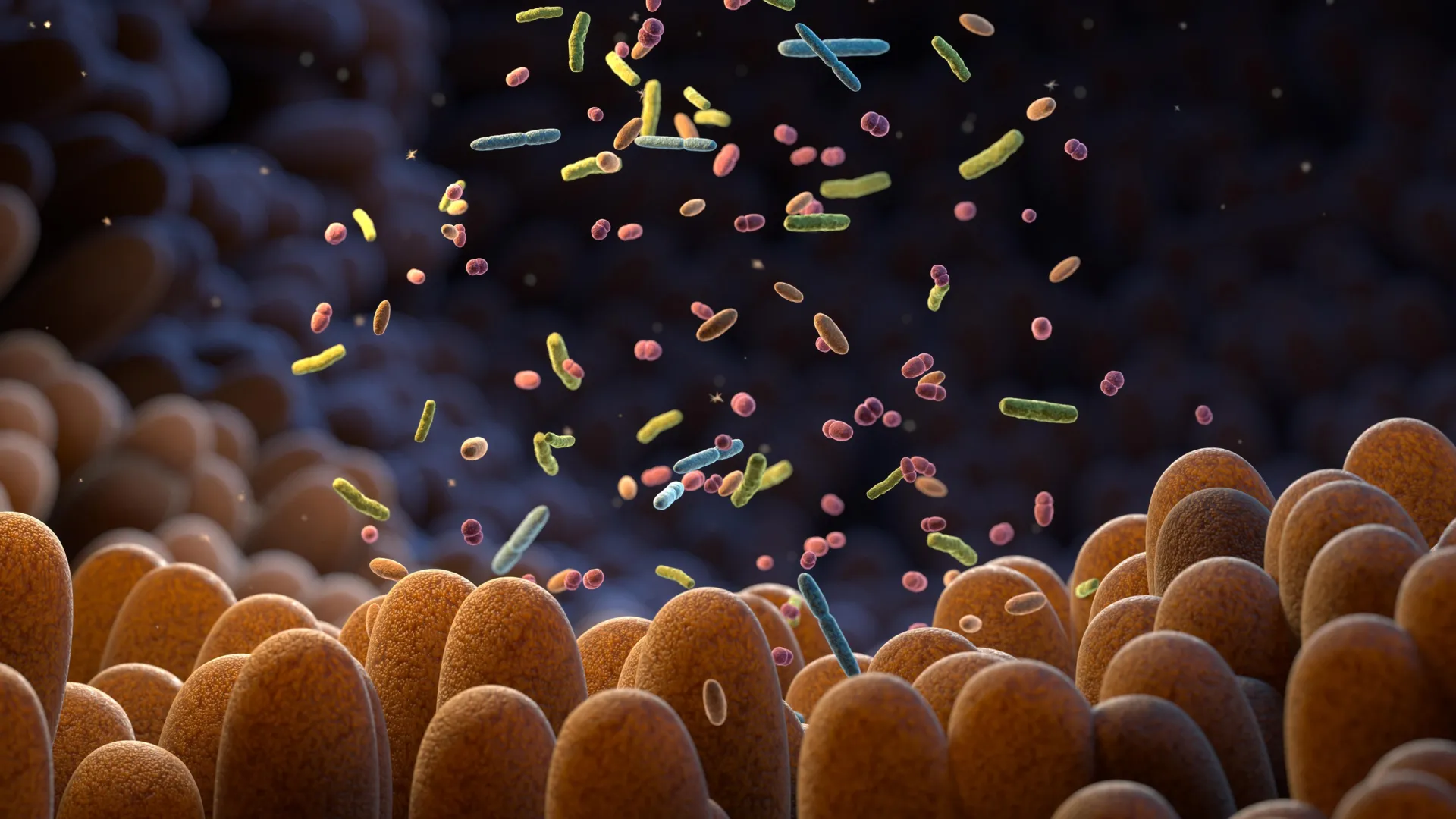
Researchers from the University of Cambridge have uncovered significant risks to human gut health, identifying 168 everyday chemicals that disrupt the growth of beneficial gut bacteria. This groundbreaking study highlights the urgent need for expanded safety testing to include the effects of chemicals on the gut microbiome, which plays a crucial role in overall health.
The investigation revealed that these harmful substances, often found in food, drinking water, and household products, were not previously linked to adverse effects on gut bacteria. The study examined how 1,076 chemical contaminants impacted 22 species of gut bacteria in controlled lab conditions. Among the identified offenders are pesticides, flame retardants, and plasticizers, many of which are common in everyday life.
Impact on Gut Microbiome and Health Risks
The gut microbiome is home to an estimated 4,500 different types of bacteria that collaborate to support vital bodily functions. When this ecosystem is disrupted, it can lead to various health issues, including problems with digestion, weight management, immune response, and even mental health. Alarmingly, some of the chemicals identified in this research have been shown to promote antibiotic resistance, raising concerns about the potential for more difficult-to-treat infections.
The study’s first author, Dr. Indra Roux, from the MRC Toxicology Unit at the University of Cambridge, expressed surprise at the extent of the impact these chemicals have on gut bacteria. “Many chemicals designed to act only on one type of target, such as insects or fungi, also affect gut bacteria,” she stated. “We were surprised that some of these chemicals had such strong effects.”
Developing Predictive Models for Chemical Safety
Utilizing the data derived from their findings, the researchers have created a machine learning model aimed at predicting whether new and existing industrial chemicals could pose a risk to gut health. The details of this study, along with the predictive tool, were published in the journal Nature Microbiology.
Professor Kiran Patil, a senior author of the study, emphasized the significance of their findings. “The real power of this large-scale study is that we now have the data to predict the effects of new chemicals, with the aim of moving to a future where new chemicals are safe by design.” Dr. Stephan Kamrad, another researcher involved, added that safety assessments of new chemicals must ensure they are also safe for gut bacteria, which can be exposed to these substances through food and water.
While the research provides critical insights, the team acknowledges that further investigation is required to understand how environmental chemicals affect gut health in real-world scenarios. “Now that we’ve started discovering these interactions in a laboratory setting, it’s important to start collecting more real-world chemical exposure data,” Professor Patil noted.
In light of these findings, the researchers recommend practical measures individuals can take to mitigate chemical exposure, such as thoroughly washing fruits and vegetables before consumption and avoiding the use of pesticides in home gardens.
This study underscores the pressing need for regulatory bodies to reconsider how chemicals are tested for safety, ensuring that the implications for gut health are thoroughly evaluated. As more research unfolds, understanding the relationship between everyday chemicals and gut microbiome health will be crucial for protecting public health.
























