


































A proposed battery energy storage facility by Clearway Energy has sparked alarm among residents in northwest Las Vegas. The 43-acre plant is set to be built within a quarter-mile of existing and future residential developments, raising safety and environmental concerns in a rapidly growing area.
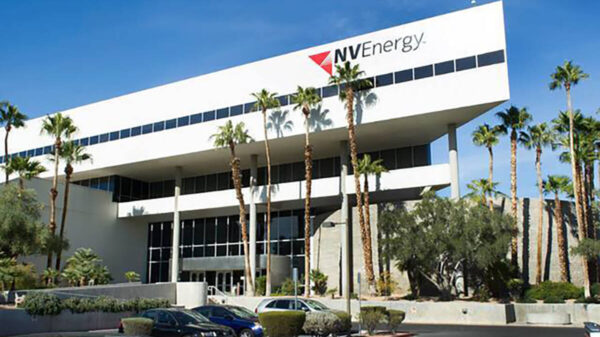
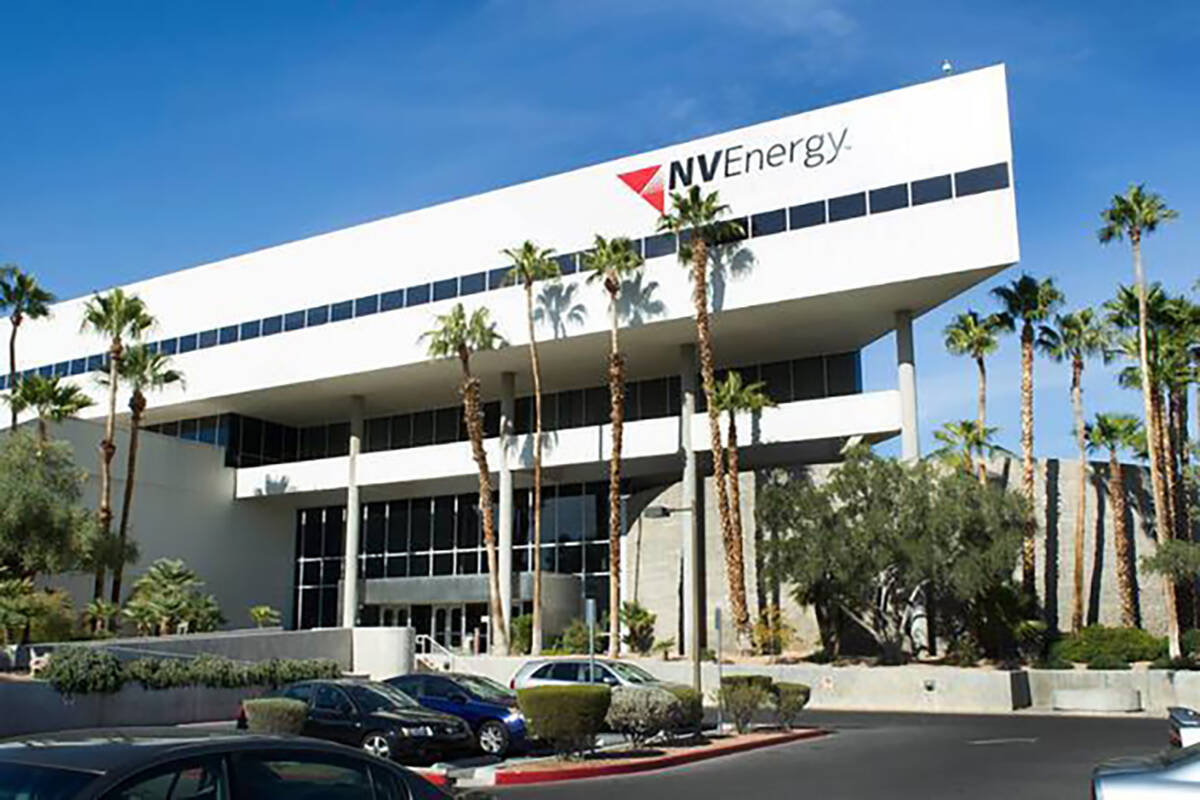
Residents received notification from Clearway Energy detailing the project, which would place a facility much closer to homes than any similar installations in Nevada. Currently, NV Energy operates at least four battery storage facilities in the state, each situated at least 3.5 miles away from residential neighborhoods. The new project’s proposed proximity marks a significant deviation from the established practice of maintaining a safe distance from residential zones.
Concerns About Safety and Environmental Impact
The primary concerns expressed by residents revolve around potential risks associated with battery storage systems, including fire hazards and environmental impacts. Historically, NV Energy has strategically located its facilities 14 to 20 miles from residential areas to mitigate these risks. The decision to site the new plant so close to homes has left residents questioning the rationale behind it.
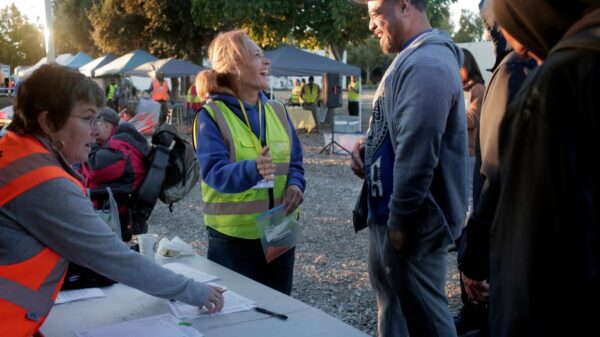
In a recent community meeting, residents voiced their apprehensions. Many noted that the proposed location is not only near existing homes but also close to planned developments. “This facility poses a risk that could affect our families and our community,” one resident stated. “It makes no sense to place it in such close proximity to where people live.”
Regulatory Response and Next Steps
As the proposal moves forward, regulatory bodies will likely review the project to address community concerns. Local officials have indicated that they will engage with both residents and Clearway Energy to discuss safety measures and potential adjustments to the project.
The outcome of this dialogue will be crucial for residents who are advocating for transparency and accountability in the planning process. Many are calling for a thorough environmental impact assessment to be conducted before any construction begins.
As discussions continue, residents remain vigilant, emphasizing the need for a balanced approach that prioritizes community safety while accommodating energy needs. The situation reflects a broader challenge faced by many communities as they navigate the complexities of energy infrastructure development amidst growing populations.