








































In the quest for a healthier diet, many individuals find themselves focusing on increasing their protein intake, sometimes at the expense of essential nutrients like fiber. Julia Pugachevsky, in her exploration of dietary balance, shares how she has adjusted her meals to include both protein and fiber, ultimately improving her overall health.
Pugachevsky’s journey began when she heightened her protein consumption, only to realize her fiber intake had significantly dropped. This shift led to the unsettling experience of developing symptoms akin to those of colon cancer, prompting a colonoscopy that revealed she only had hemorrhoids. Such experiences highlight the importance of fiber for gut health and its role in reducing the risk of colon cancer.
According to dietary guidelines, adults should aim for approximately 25 grams of fiber and 53 grams of protein daily. For Pugachevsky, achieving these targets required creative meal planning.
Revamping Breakfast for Nutritional Balance
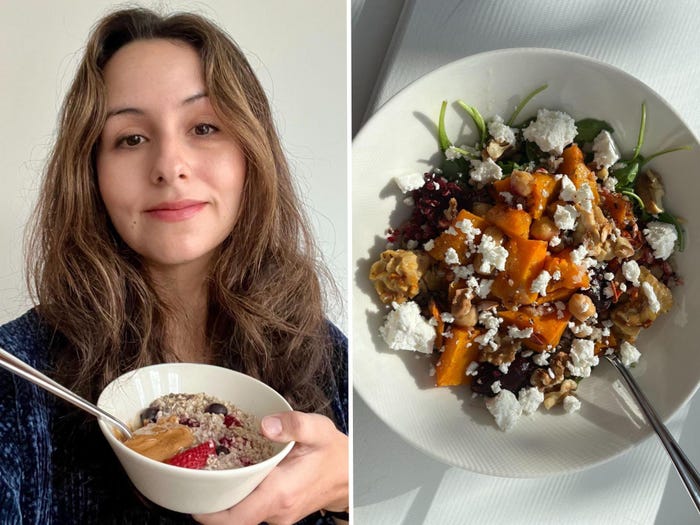
To kick off her day, Pugachevsky emphasizes the importance of a fiber-rich breakfast. She typically opts for oatmeal topped with frozen berries, peanut butter, and chia seeds. This combination not only provides about 10.5 grams of protein but also delivers approximately 17 grams of fiber, equating to nearly half her daily fiber requirement. On days when her training calls for extra protein, she enhances her coffee with protein powder and high-protein milk.
While oatmeal may not be as exciting as other breakfast options, Pugachevsky acknowledges its nutritional advantages. “It helps me start off on a great note,” she explains, emphasizing the importance of being proactive about nutrient intake throughout the day.
Incorporating Vegetables and Whole Grains
For her main meals, Pugachevsky has streamlined her meal prep, focusing on simple yet nutritious options. She frequently prepares a sheet-pan dinner featuring salmon, seasonal vegetables, and fiber-rich grains like farro or quinoa. This meal typically provides around 31 grams of protein and 9 grams of fiber, effectively addressing her dietary goals.
Despite the convenience of animal-based proteins, Pugachevsky also champions plant-based sources. Lentils, beans, and whole grains not only contribute to protein intake but also pack a fiber punch. By alternating her meals—enjoying salmon for lunch and a vegetarian dish for dinner—she ensures a balanced intake of both nutrients.
A recent salad she crafted showcased her commitment to diversity in her diet. It included tempeh, quinoa, chickpeas, walnuts, and a variety of fibrous vegetables such as arugula and beets. This approach not only satisfies her hunger but also supports her gut health through a varied diet.
While she acknowledges that hitting every nutrient target perfectly every day can be challenging, especially when dining out, Pugachevsky remains focused on maintaining a balance at home. “Striking the right fiber-protein balance with the meals I make at home makes it that much easier to unwind the rest of the time,” she reflects.
Pugachevsky’s experience serves as a reminder of the importance of a well-rounded diet and the need to consider both protein and fiber for overall health. By making conscious choices and exploring diverse food options, anyone can achieve a balanced and nutritious diet that supports long-term health.
























