








































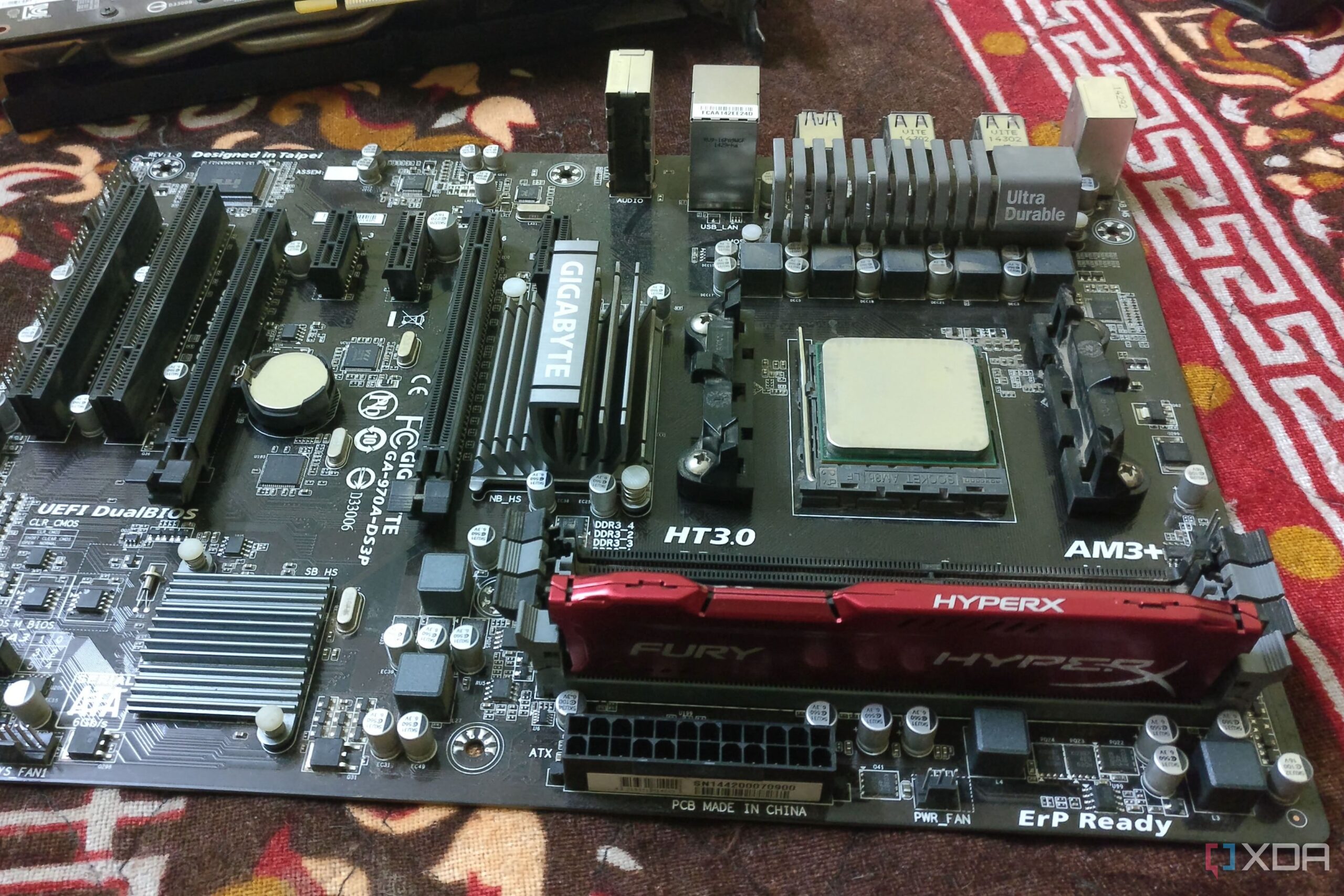
URGENT UPDATE: A new exposé reveals that several high-end motherboard features marketed as premium have been largely ineffective or unnecessary for most users. This critical information is shaking the tech community and prompting consumers to reevaluate their hardware choices.
In a landscape rife with misleading marketing, many motherboard features have failed to deliver on their promises. As tech enthusiasts prepare for the upcoming hardware releases, understanding these pitfalls is more crucial than ever.
KEY FINDING: Features like SLI and Crossfire support, once heralded as essential for multi-GPU setups, have been confirmed to provide diminishing returns. While users might have expected performance boosts of up to 70-80% in select benchmarks, the reality is that uneven frame delivery and poor game support have rendered these features obsolete. As single GPUs have advanced significantly since the GTX 1000 series, many are now questioning whether the extra cost for motherboards supporting these outdated technologies is justified.
Another striking revelation focuses on storage and connectivity features. Some motherboards boasted additional PCIe x1 SATA controllers, claiming to enhance storage capabilities. However, these often led to severe bottlenecks, failing to deliver the promised speeds. With theoretical bandwidth maxing out at 500 MB/s to 1 GB/s, many users experienced sluggish performance from multiple SATA SSDs linked to a single controller.
Additionally, the U.2 ports included in some high-end models remain virtually unused by consumers. Primarily designed for enterprise use, these connections add unnecessary costs and complexity for everyday users.
The audio capabilities of motherboards have also come under scrutiny. Features marketed as “Audiophile-grade” often included mid-range codecs and cosmetic enhancements that failed to produce studio-quality sound. The supposed benefits of EMI-shielded codecs and gold-plated headphone jacks have been deemed negligible compared to external DAC and amplifier setups, which are preferred by serious audiophiles.
Furthermore, the marketing of extensive VRM phases has been called into question. Doublers, commonly used in VRMs, fail to increase total current flow and may introduce micro-stutters with high-end CPUs. While they help manage heat and reduce voltage droop, the actual performance benefits are less than advertised, leaving users to wonder if they are simply paying for marketing jargon.
As tech consumers gear up for new hardware purchases, experts urge everyone to critically assess their motherboard needs. Don’t fall for costly features that you don’t require. Understanding these marketing tactics can save you money and enhance your overall computing experience.
WHAT’S NEXT: As the tech industry continues to evolve, consumers are advised to stay informed about the latest developments in motherboard technology. With the new insights into misleading marketing, expect a surge in discussions among tech enthusiasts and a push for more transparency from manufacturers.
This unfolding situation not only impacts individual buyers but also reflects broader trends in tech marketing practices. Stay tuned as we provide updates on this developing story and share expert opinions on how to make smarter purchasing decisions in the future.
























